Children are young, careless, and simply unaware. This also comes with curiosity, creativity, and exploration. How do we know this? Playgrounds, toys, and stories supply children with tools to explore and learn. Such activities are vital for youth to get experience and knowledge that will excel them later in life. We see this idea proven by Isamu Noguchi’s contributions to playground design and understanding how children play, as well as the graphic Novel They Called Us Enemy.
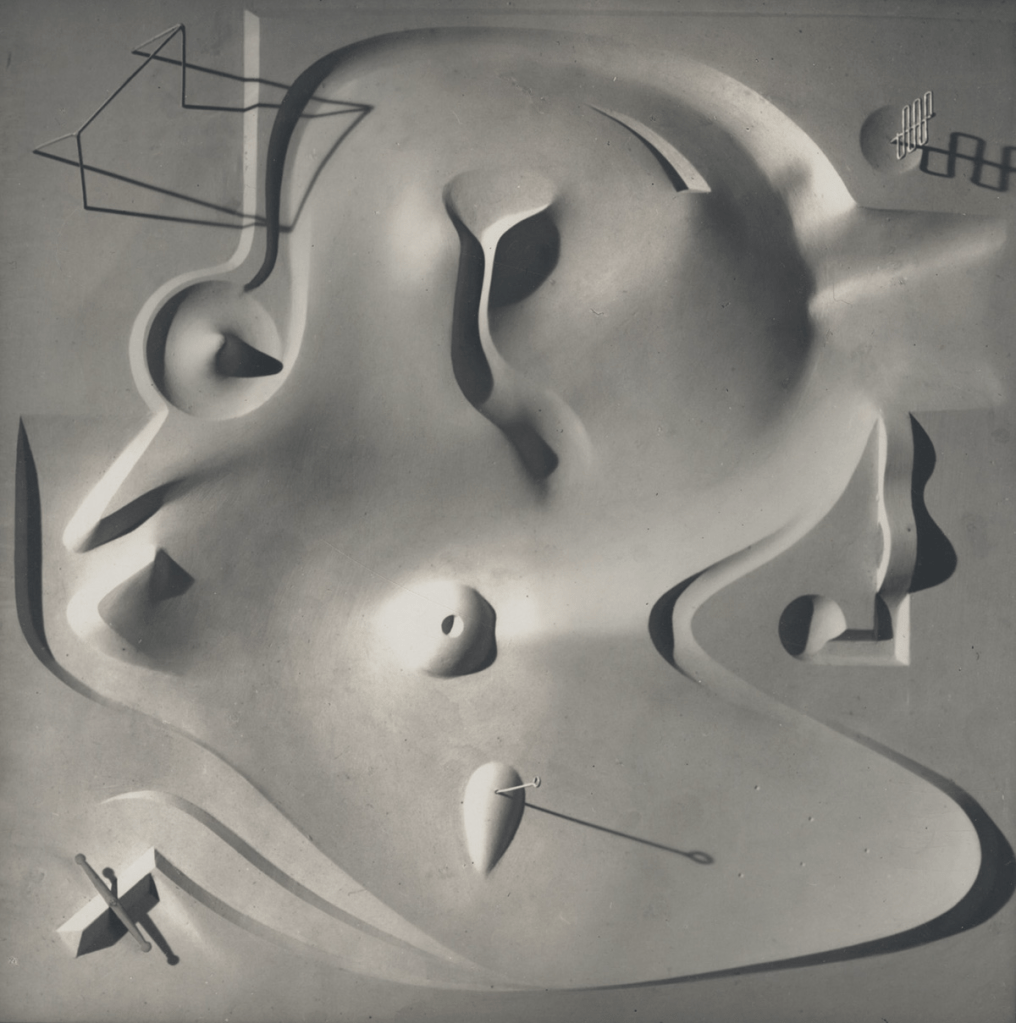
Contemporary artist Isamu Noguchi teaches us the importance of play for youth. He illustrates the idea of having an open mind and experiencing something how you choose to, in the way that your mind sees it fitting. Noguchi had believed that children weren’t given enough opportunity for creative thinking and freedom in the sense that public playgrounds were “cookie-cutter” and followed the same layout. He wanted to shift the idea of a playground to be a unique and creative piece of art that served a purpose, unlike current play sets at the time. Although his proposals never followed through at the time, Noguchi paved the way to providing exploration and creativity to the youth.
Now how does Isamu Noguchi’s contributions to youth play connect to George Takei’s They Called Us Enemy? Takei’s memoir illustrates his life as a young child imprisoned in the Japanese internment camps during WWII. From not knowing what’s going on, to thinking his family is going on a vacation, unprecedented situations force children to result to imagination and their curiosity. When first moved into the internment camp, George and his siblings thought it was cool to sleep in the stables where horses were kept. Simple ideas or thoughts like these not only provide positivity, but show the adaptive abilities that children have. Later on, George mentions children playing ‘war’ showing the effect that WWII has had on the youth. Despite the negatives of war, the children still manage to make light of the situation and make it a game to play with one another. This shows the prevalence of playing that stays with children.
It is fact that children result to play whenever possible. George Takei’s They Called Us Enemy and Isamu Noguchi’s vision for child play proves this idea strongly. Whether given the opportunity or option, children find positivity in moments in ways adults don’t initially see, which shows the power that youth have to show creativity and imagination. We must do what’s possible to provide play and freedom for children as much as possible, because it brings out their true capabilities.
 Write Our World