They Called Us Enemy, a graphic novel through the point of view of a child. But a child doesn’t see the whole picture, they don’t understand the injustice and problematic ways of our government. So then how was the author able to portray this injustice in such a way that the reader could understand, even through a child’s perspective, how unfair America was to the Japanese during WWII.
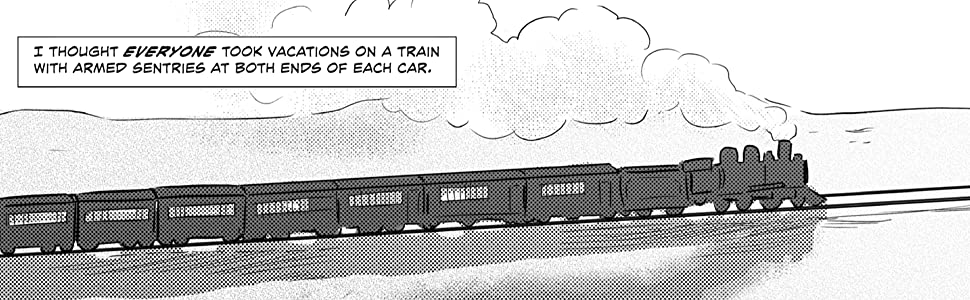
The author uses a strategy of using the connection from the adults to the children to make the reader understand the truth behind the internment camps. In the novel, there is a scene where the adults are on the train to their first internment camp, and they have to explain to their kids how they need to move out to a “new home” for a while. The kids obviously don’t understand why or most of anything that is happening. They are far too fixated on their snacks and toys they have available. The parents do their best to explain to the kids how they don’t have much of a choice and that it wasn’t voluntary, but the kids proceed to not understand and try to enjoy themselves. Their childish innocence prevents them from seeing the wrongdoing in the world and from the people in power.
For most of the novel, we as a reader understand what is happening because we see all the sides of the story and perspective from the government, people in power, and the Japanese. We can identify how much the parents are struggling to make a normality of the life they are living, but we know that it will never be the same, they became victimized the second they left their house and were led on a path of injustice and struggle. The author portrays this by showing the context of the government and their decisions in congress and them passing all the laws that control the lives of all Japanese citizens in America. Many of the people in power understood that it was very wrong to do what they did to the Japanese, but they let it happen and even participated in it.
 Write Our World