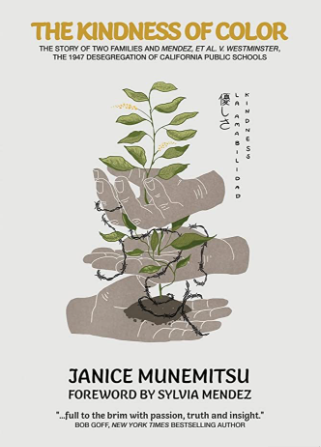
While reading They Called Us Enemy, I connected parts of the book with another book written by a third-generation Japanese American, the Kindness of Color. In my eighth grade, my math teacher, who was also a third-generation Japanese American, told us his family’s story as well as recommended we read the Kindness of Color. I found it interesting how much the book was not about the shame and pain the Japanese American community felt but it was about the kindness of their neighbors in fighting against discrimination and racism. I loved that it was stories about two different immigrants, one whose family had to fight for their human rights and another family who fought the school board for discriminating their kids.
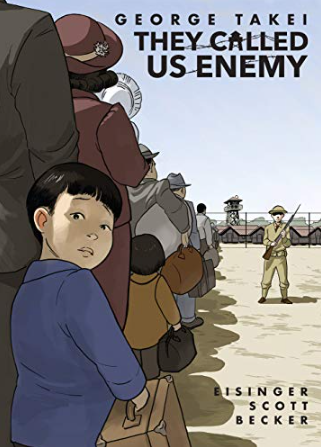
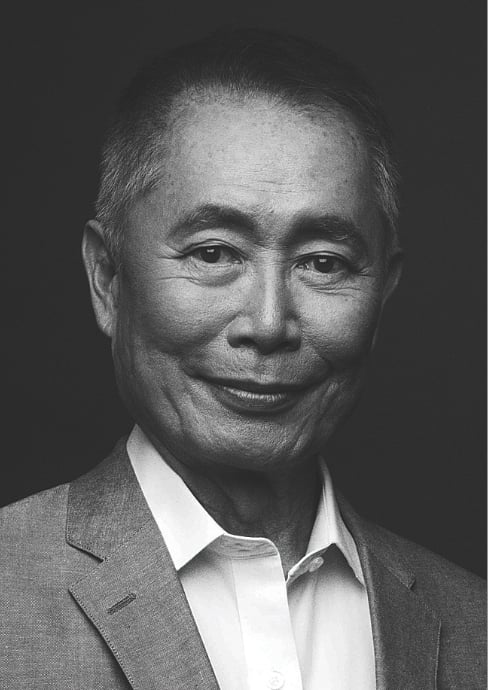
They Called Us Enemy, a memoir by George Takei, starts as a little boy who grew up behind a barbed wire, not knowing what is happening outside of it. He lived in the relocation camps for years without any clue why he was thousands of miles away from his “home” and why there are always armed guards all over the camps. Even after reading the Kindness of Color, I hadn’t ever thought that, in a time of pain, someone like George Takei would have happy memories living in the camps. Takei didn’t know much of what was happening around him but despite everything, he still grew up with fond memories of his family and the community built inside the camps. I have heard stories and read articles about the Japanese incarceration camps, and every single one would talk about the shame it brought to the Japanese American Community, not the fact that there were some amazing memories even when locked up behind barbed wires.

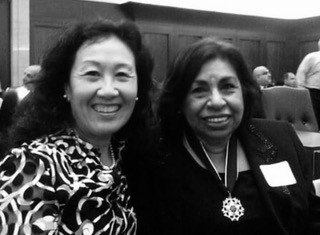
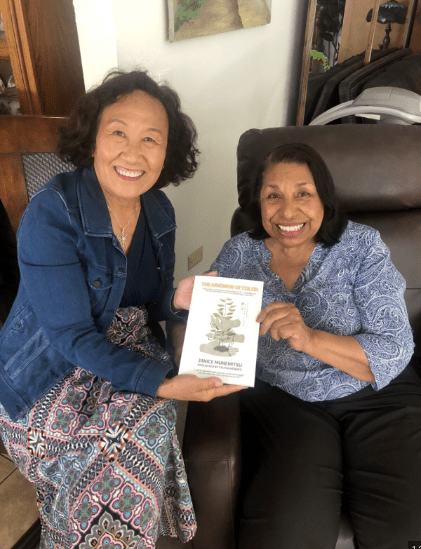
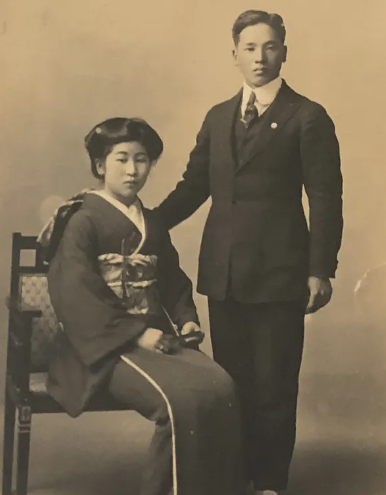
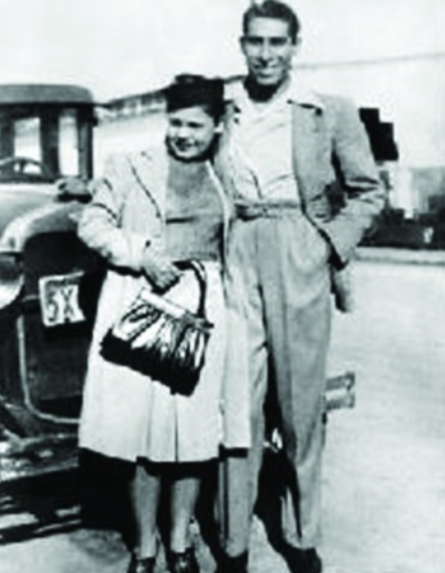
From reading They Called Us Enemy, I got two things, fight for what you believe and have a mindset to look for the good in bad times. These two themes were also present in The Kindness of Color, written by Janice Munemitsu and her forward author, Sylvia Mendez. Both authors’ families had immigrated to Southern California to live a better life but instead were discriminated against for their skin color and cultural background. When forced to evacuate during World War II, Mr. Munemitsu had to give up their farm and lease to Mendez’s family. While the Munemitsu family was facing legalized racism from the government and fellow citizens which placed them into relocation camps, the Mendez family was facing discrimination from the schools in Westminster. Gonzalo and Felicitas Mendez, Sylvia Mendez’s parents, wanted their kids to get a good education but were denied because it was a “white” school. The anger and support of their community who were also facing the same problem allowed the Mendez family to fight their case in the Supreme Court. This case helped further the desegregation of kids in all California schools, which later inspired the Brown v. Education Supreme Court case.

In both books, families had to face racism from the government that affected their freedom and rights. But despite everything, there was a light in times so dark many people would stay away from mentioning. Especially since the country, the nation, that Takei’s family Munemitsu’s family, and Mendez’s family had let them down and caused so much pain. But they didn’t see it as just pain, they all looked at the results and the good that came out of the pain. Doing that took a lot of courage and strength that each, and every family had during World War II.
 Write Our World