
Buddhism and its teachings can provide an insightful lens to evaluate the ethics of Paul, the main character and soldier in the novel All Quiet on the Western Front by Erich Maria Remarque. Despite being a young German soldier in World War I, Paul is a compassionate and kind individual who is traumatized and affected by the war. He is conflicted between the war and who he is and has lost all his friends by the end of the book. He realizes he does not fit into normal society outside of war and is bitter about being the “Iron Youth.” While applying Buddhist beliefs, we can examine how Paul’s actions and intentions align with the Buddhist principles of compassion, karma, and appreciating what one has in life.
Buddha taught that happiness will never come to those who fail to appreciate what they already have. Paul always tries his best to show appreciation for life and his concern for his fellow soldiers. When a new recruit is petrified and struggling to put on his helmet, Paul places the helmet to protect his behind, showing empathy and concern for his fellow soldier. He also puts himself in danger to help an enemy troop after stabbing him in battle. Even though he is fighting against him, Paul drags himself to the enemy troop to try and help him, repeating the word “camerade” in an attempt to earn his trust and help tend to his wounds. This shows that Paul values the life of others, regardless of what side they are fighting for.
Another belief in Buddhism is that the core of karma is the mental intention, and hence the Buddha stated ‘It is intention, O monks, that I call karma; having willed one acts through body, speech, or mind. Therefore, accidentally hurting someone is not bad Karma, but having hurtful thoughts is.’ Paul’s intentions throughout the novel are mostly compassionate and kind, and he tries his best to help those around him; even his enemies. His actions are not driven by the desire to hurt others or “just for the thrill of it,”, but the intoxicating environment of war forces soldiers such as Paul to believe in the motto, “to hunt or be hunted.” He does acts of violence in order to survive and help his comrades. Paul is extremely loyal to his friends and does everything in his power to support and be there in times of need. In the ambulance train, he fakes a fever to stay with his friend Albert in the hospital, showing his deep loyalty and love for his friends.
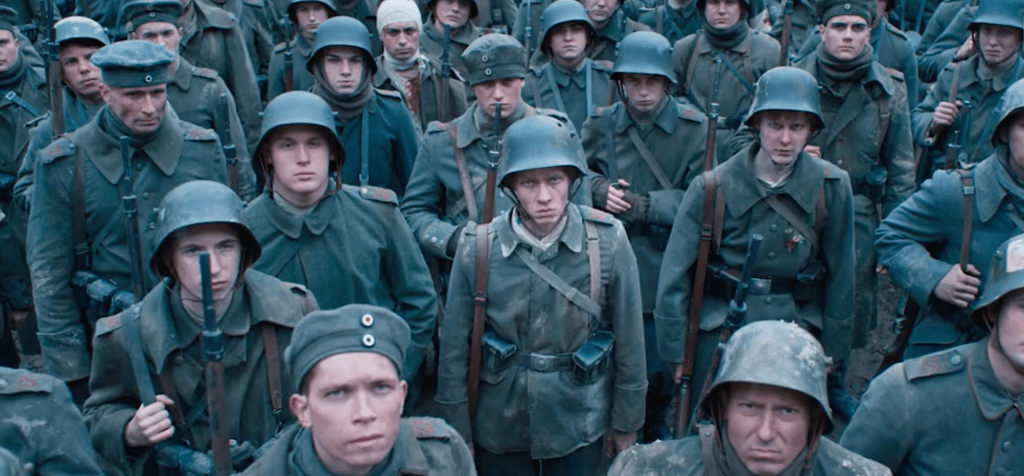
Having “compassion for all beings, rich and poor alike, as each has their suffering” is vital to reaching Nirvana in Buddhism. In the novel, we see how the war has affected both sides, and the soldiers on both sides have suffered in different ways. Paul’s compassion towards the new recruit and the enemy troop he stabs shows that he understands the suffering of others, and he does what he can to alleviate that suffering. Even when men of the same flesh and blood become enemies, Paul’s soul still cultivates sympathy and care for everyone. Furthermore, he is devastated when he realizes his friend Kat may die from his injury, showing that he values the lives of those around him. Although war revolves around death, Paul knows that everyone wants to make it out alive and live a new life after the war is over. Nirvana for the soldiers is surviving the war and being able to be reborn in a life without the constant fear of death.
Under a hidden veil lies the world’s greatest misery, and in compassion lies the world’s true strength. Paul’s experience in the war has left him feeling disconnected from the world outside of war, and he struggles to reintegrate into society. However, his compassion towards his fellow soldiers has been his strength throughout the war, and his friendships have provided him with a sense of belonging. He values the camaraderie and brotherhood that the soldiers share, and he is bitter about being the “Iron Youth” because he knows that his experiences have left him unable to relate to those outside of the war.
Paul’s ethics and morality in the novel All Quiet on the Western Front can be evaluated using the teachings of Buddhism. His compassion towards his fellow soldiers, regardless of what side they are fighting on, and his actions being driven by positive intentions align with the principles of karma and compassion in Buddhism. Moreover, his appreciation for life and concern for those around him shows an understanding of Buddhist teachings on happiness. Although he struggles to reintegrate into society, Paul recognizes that war has not made him a better person. He realizes that he has become callous and unfeeling, unable to find joy in anything except his comrades and the brief moments of respite they share. This realization is reflected in his bitterness about being the “Iron Youth.” He has come to understand that the war has robbed him of his youth and innocence, leaving him scarred and traumatized.
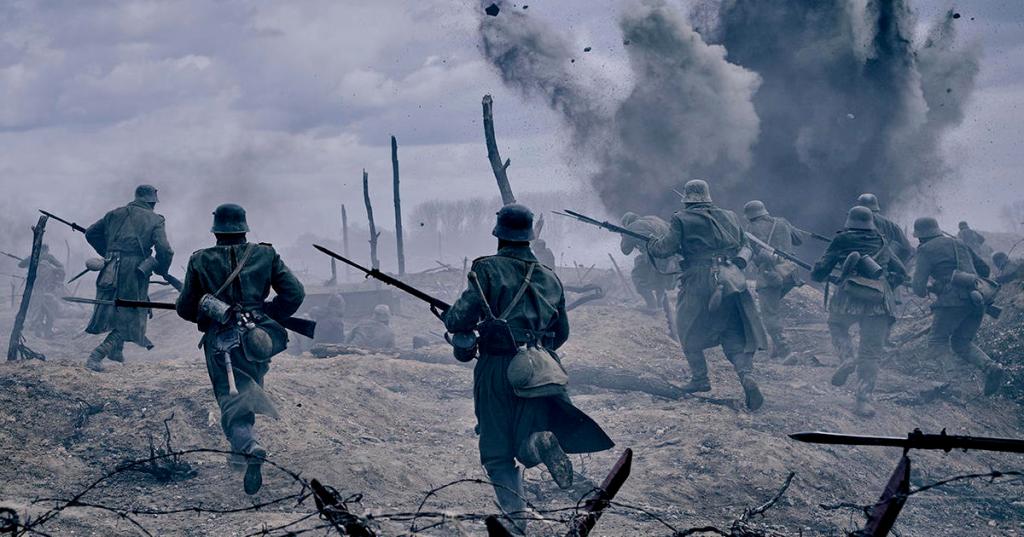
War is far from perfect, war is the materialized embodiment of pain, suffering, and a great test for moral compasses. Paul’s struggle to find his place in society and his bitterness about being the “Iron Youth” reflect the truth of impermanence and suffering. The Buddha taught that all things are impermanent and subject to change, and that clinging to anything, whether it be material possessions, social status, or even youth and innocence, will only lead to suffering. Paul’s bitterness is a result of his attachment to his identity as a young, innocent man, which has been taken from him by the war.
A person’s soul is truly shown when the body is threatened to release it. Life or death situations show people’s true heart, and Paul never fails to show kindness in the heat of danger. Paul’s compassion towards his fellow soldiers, including his enemies, is a testament to his humanity and his ability to see beyond the superficial differences of nationality and ideology. In one poignant scene, after stabbing an enemy soldier, Paul tries to help him, saying “I want to help you, Comrade, camerade, camerade, camerade— eagerly repeating the word, to make him understand” (p. 220). This act of compassion towards an enemy soldier, someone who is supposed to be his sworn enemy, demonstrates Paul’s ability to see the humanity in all people, regardless of their nationality or beliefs.
 Write Our World