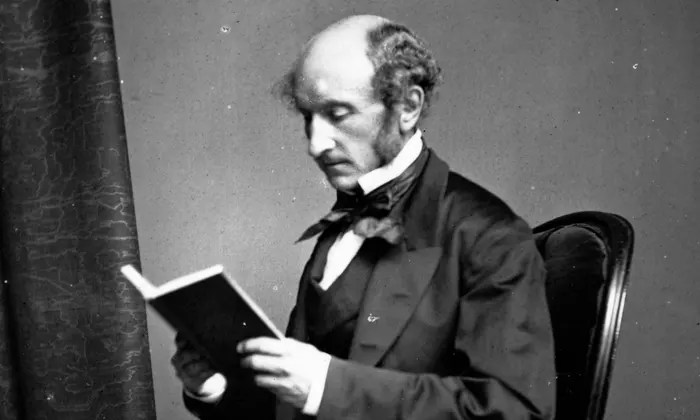
John Stuart Mill, a prominent British philosopher in the early 19th century, developed a philosophy called Utilitarianism. This philosophy emphasizes that an action is morally right if it brings the most amount of good for the greatest number of people. Mill argued that we must weigh the consequences of an action to determine whether it is good or bad. In the novel All Quiet on the Western Front, written by Erich Maria Remarque, the characters are forced to face difficult moral decisions in the midst of World War I. One of these decisions is whether or not to steal food. With the application of Mill’s Utilitarianism, we can analyze the morality of this action.
In the novel, the main character, Paul Baumer, is a young 19-year-old soldier fighting in World War I on the side of Germany. Paul and his friends are constantly hungry and suffering from malnourishment due to the lack of food provided by the military. They are often forced to scavenge for food. At one point, they decide to steal food from a warehouse. This raises the question: is it morally justifiable to steal food during a time of war?
Mill believed that an action is morally right as long as it leads to the greatest amount of happiness for the greatest number of people. In other words, the morality of an action depends on its consequences. If an action brings about more happiness than harm, it is morally right. On the contrary, if an action brings about more harm than happiness, it is morally wrong. When it comes to stealing food during war, we must consider the consequences of the action in order to determine whether it is morally right or wrong.
When considering short-term effects, stealing food might seem like the only option for survival in a time of war. Paul and his friends are hungry and desperate. Stealing food appears to be a reasonable way to alleviate their suffering. Mill believed that an action’s intentions were important in determining its morality. If the intention behind an action is good, then the action itself might be morally justifiable. In this case, the intention behind stealing the food is to survive and suppress their hunger to keep on fighting for their country, which is a good intention for the troops to have.
However, Mill also believed that we must consider the long-term consequences of our actions. If stealing food becomes widespread, it could lead to more harm than good. If everyone were to steal food, regardless of intentions, there would not be enough food for everyone to go around because people can be greedy to assure they have more food than others. This would lead to more suffering and even famine. Also, stealing food would lead to conflict and anger rising among people. Therefore, despite the short-term benefits that stealing food would bring, it would ultimately lead to more harm than good in the long term.
To further expand upon this, Mill believed that an action’s morality is not determined solely by its consequences. We must also consider the rights and dignity of others. Stealing food from someone else can easily be considered a violation of their property rights. Even if the intention behind the action is good, it can still be morally wrong if it violates the rights of others. In the case of stealing food during war, the owners of the warehouse had the right to their property. Paul and his fellow troops stealing from the warehouse owners could be considered a violation of their rights.
In All Quiet on the Western Front, stealing food is a moral dilemma that is not easily resolved. Mill’s Utilitarianism provides a framework to analyze the morality of the action, but it is ultimately up to the individual to determine whether the short-term benefits or the long-term problems outweigh the other to formulate a decision. If stealing food brings about more happiness than harm and does not violate the rights of others, it is morally justifiable. However, if stealing food leads to more harm than good or violates the rights of others, it is morally wrong and unjustifiable.
 Write Our World