Introduction:
Erich Maria Remarque’s novel, All Quiet on the Western Front, portrays the experiences of a young German soldier named Paul Baumer during World War I. Throughout the novel Paul encounters various moral and ethical dilemmas challenging his understanding of what is right and wrong. Using the philosophical theories of Immanuel Kant, this essay will dive under the surface of the novel and evaluate the issues including the importance of treating individuals as ends in themselves, the role of duty and obligation, and the idea of moral worthiness.
Treating Individuals as Ends in Themselves:
One of the fundamental principles of Kant’s moral philosophy is the importance of treating individuals as ends in themselves, rather than merely as a means to an end. In other words, individuals have inherent value and should not be used solely to achieve one’s own goals or desires. Paul Baumer exhibits this principle when he breaks apart his cigarette and shares it with captured Russian soldiers who are starving and suffering from dysentery. Despite these soldiers being technically the enemies, Paul recognizes their humanity and offers them aid, treating them as ends in themselves rather than merely as a means to gain an advantage in war.
Additionally, Paul’s recognition of his mother’s efforts to make him potato cakes highlights his appreciation for her as an individual with inherent value, not just as someone who fulfills his needs. On the other hand, when Paul chucks a bottle out the door to stop the nurses from praying and disturbing their sleep, he fails to recognize them as individuals with inherent value and instead treats them merely as a means to his own end of getting sleep.
The Role of Duty and Obligation:
Kant believed that individuals have a duty to act in accordance with universal moral laws, regardless of their own desires or interests. This sense of duty and obligation is evident in Paul’s decision to lie to Kemmerich’s mother about her son’s pain and suffering. While it may seem immoral to lie, Paul recognizes that it is his duty to protect Kemmerich’s mother from further pain and suffering, even if it means acting against his own interests.
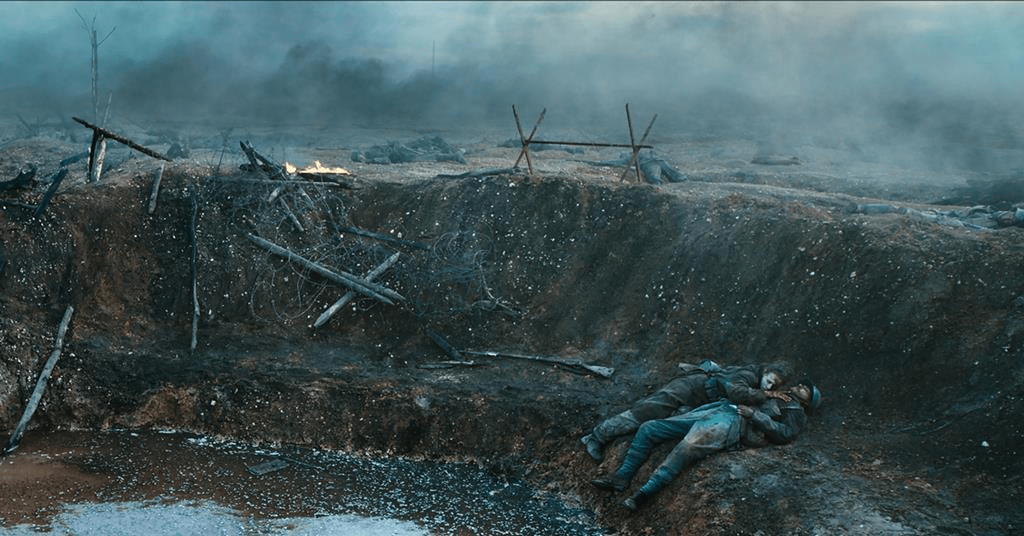
Another example of Paul acting on his duty rather than his own interests is found on page 215. When Paul finds himself stuck in a hole in the middle of the battlefield, he recognizes his duty to protect himself and his fellow soldiers. He states, “When in terror we fall upon one another then I must be first.” This duty to protect himself and others leads him to stab a French soldier who falls into the hole with him, even though he feels intense guilt afterward.
Moral Worthiness:
Kant believed that actions have moral worthiness only if they are done from a sense of duty and obligation, rather than from self-interest or desire. Paul’s decision to offer two other soldiers a feast, despite being low on supplies, displays this sense of moral worthiness. Paul recognizes his duty to treat others as he would want to be treated and acts accordingly, even if it means sacrificing his own needs.
However, Paul’s decision to put a fellow recruit out of his misery raises questions about the morality of his actions. While some may argue that Paul was acting out of compassion and duty, others may argue that taking another’s life is always immoral. Kant’s ideas of moral worthiness suggest that actions must be motivated by duty, rather than desire or emotion, in order to be truly moral.
Conclusion:
Ultimately, Kant’s ideas of treating individuals as ends in themselves, duty and obligation, and moral worthiness provide a framework for analyzing the morality of Paul’s actions in All Quiet on the Western Front. While some of Paul’s actions align with Kant’s principles, others are more ambiguous and open to interpretation. Overall, this essay highlights the relevance and applicability of Kant’s moral philosophy in analyzing the actions of fictional characters in literature and beyond.
 Write Our World