Erich Maria Remarque’s All Quiet on the Western Front is a novel about a young German soldier named Paul Baumer and his emotional struggles during World War I. The philosophy of existentialism, which emphasizes individual freedom and choice, can be used to analyze Paul’s character and his experiences in the war. This essay aims to evaluate Paul’s character through the lens of existentialism by analyzing various quotes and specific lines from the novel and the works of existentialist philosophers such as Jean-Paul Sartre, Simone de Beauvoir, and Albert Camus.
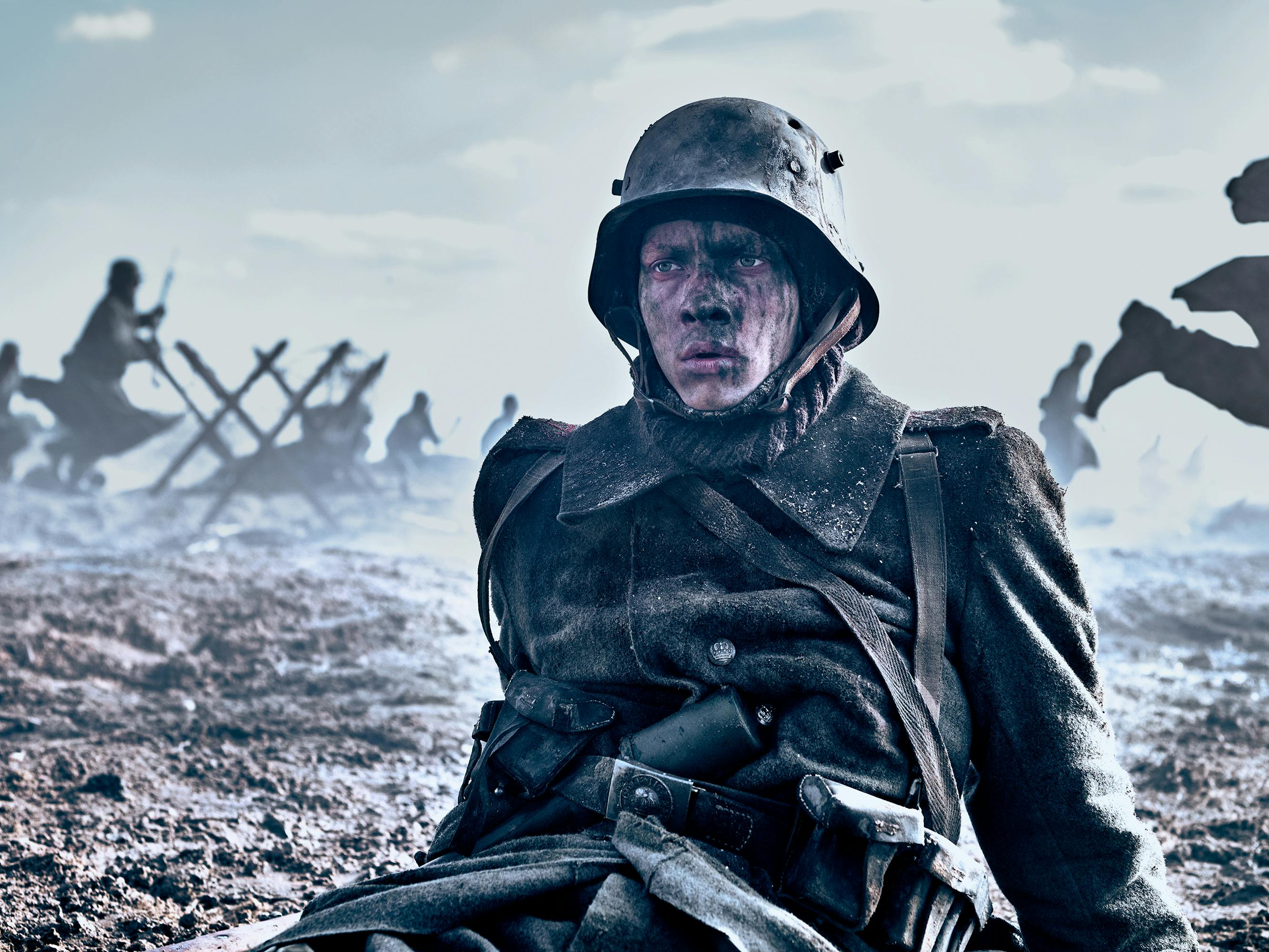
At the start of the novel, Paul and his fellow soldiers are excited about going to war. However, as they face the harsh realities of war, their enthusiasm diminishes, and they become disillusioned. The existentialist perspective stresses that individuals must make their own choices and find their own meaning in life. In the novel, Paul struggles to find meaning in the war and his experiences. He states, “We know only that in some strange and melancholy way we have become a wasteland. All the same, we are not often sad” (pg. 20). This quote reflects Paul’s struggle to find meaning in his existence, even as he is surrounded by death and destruction.
Paul’s character embodies the idea of dehumanization central to existentialist philosophy. In the war, soldiers are treated like machines, forced to fight and kill, and stripped of their individuality. Paul describes the dehumanization of war when he says, “We are forlorn like children, and experienced like old men, we are crude and sorrowful and superficial—I believe we are lost” (pg. 123). He feels that he has lost his identity and sense of purpose in life. This loss of identity is a central theme of existentialism, which emphasizes individual freedom and choice.
Furthermore, Paul’s inability to express his emotions and connect with others reflects the existentialist concept of isolation. He cannot mourn his comrades who died in battle, and he cannot explain the horrors of war to his family. Paul feels disconnected from the world around him, and he says, “We are not youth any longer. We don’t want to take the world by storm. We are fleeing. We fly from ourselves. From our life. We were eighteen and had begun to love life and the world; and we had to shoot it to pieces” (pg. 87). He feels isolated and disconnected from the world around him, which reflects the existentialist perspective that individuals are ultimately alone in the world.
In addition, the existentialist concept of freedom is evident in Paul’s character as he struggles to survive in the war. He must make decisions that could mean the difference between life and death and must rely on his instincts to survive. This emphasis on individual freedom and choice is a central theme of existentialism. Paul describes his sense of freedom when he says, “I am no longer a shuddering speck of existence, alone in the darkness;–I belong to them and they to me; we all share the same fear and the same life…I could bury my face in them, in these voices, these words that have saved me and will stand by me” (pg. 212). Even in the midst of war, Paul finds a sense of connection and belonging with his fellow soldiers, which reflects the existentialist emphasis on individual freedom and the search for meaning in life.
Finally, the existentialist perspective on the meaning of life is evident in Paul’s character. He struggles to find meaning in the war and his experiences, and he feels that he has lost his sense of purpose. This loss of purpose is reflected in the quote, “We will be superheroes, but we won’t save the world.” This loss of purpose reflects the ideas of existentialism as a search for a purpose in life will solely lead to identity astray.
In conclusion, the philosophy of existentialism can provide a useful framework for analyzing the character of Paul Baumer in All Quiet on the Western Front. Paul’s experiences in World War I reflect the key concepts of existentialism, such as the struggle to find meaning in life, the dehumanizing effects of war, isolation, and the importance of individual freedom and choice. Through Paul’s character, readers can see the devastating impact of war on an individual’s identity and sense of purpose. Remarque’s novel and the ideas of existentialist philosophers provide a powerful reminder of the importance of individual autonomy, connection, and meaning in the face of the chaos and destruction of war.
 Write Our World