The philosophy of Buddha emphasizes the importance of authority and its responsible use. Buddha advised people to exercise their own authority and not to blindly follow others’ will. In All Quiet on the Western Front, Corporal Himmelstoss represents a figure of authority who enjoys exercising his power over others, especially those under his command. He forces the soldiers to carry out his ridiculous, cruel, and dangerous orders and takes pleasure in bullying them. He is proud of his strict disciplinarian actions, and his reputation as the strictest disciplinarian in the camp precedes him.
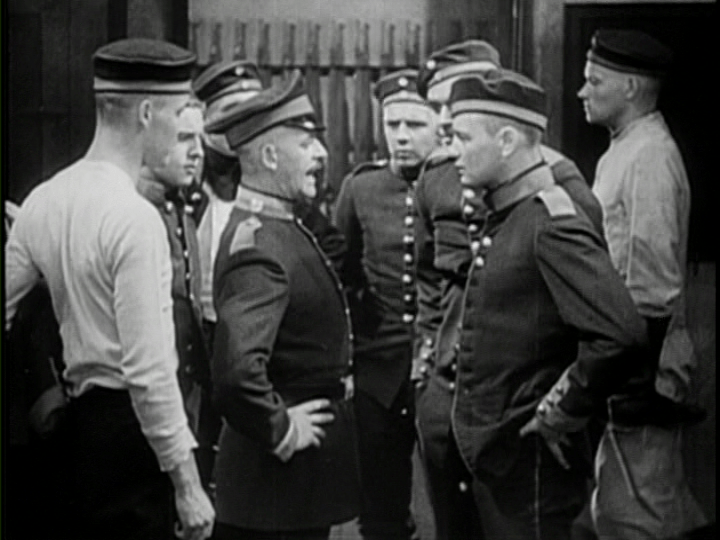
When Kropp speaks up against Himmelstoss’ orders, Himmelstoss shouts, “Mind how you speak to a non-commissioned officer! Have you lost your senses? You wait till you’re spoken to” (Chapter 2). Himmelstoss abuses his power and authority, expecting the soldiers to follow his commands blindly. He does not treat them as individuals with their own unique circumstances and needs, but rather as objects to be controlled and manipulated. This behavior not only goes against Buddha’s teachings but also leads to the resentment and rebellion among the soldiers, displayed in the character of Tjaden.
In addition, Buddha believed that words have the power to both destroy and heal. He taught that speaking the truth with kindness can change the world. Himmelstoss’ words and actions are not kind, nor are they truthful. He forces the soldiers to do menial tasks, which eventually provokes rebellion among the German soldiers. When Tjaden insults him, Himmelstoss responds mockingly, “What’s that, you muck-rake, you dirty peat-stealer? Stand up there, bring your heels together when your superior officer speaks to you” (Chapter 5). His words are intended to harm and belittle Tjaden, rather than heal or uplift him. In Buddha’s philosophy, Himmelstoss’ actions would not be considered ethical or moral. However, it is also important to note that the soldiers’ revenge on Himmelstoss also highlights the destructive power of words and actions. Buddha teaches that words have the power to both destroy and heal, and it is important to use them wisely and with compassion. The soldiers’ revenge on Himmelstoss was fueled by anger and hatred, which only perpetuated the cycle of violence and suffering. Instead, they could have used their words and actions to educate and enlighten Himmelstoss on the harm he was causing, which may have led to a more peaceful and harmonious environment.
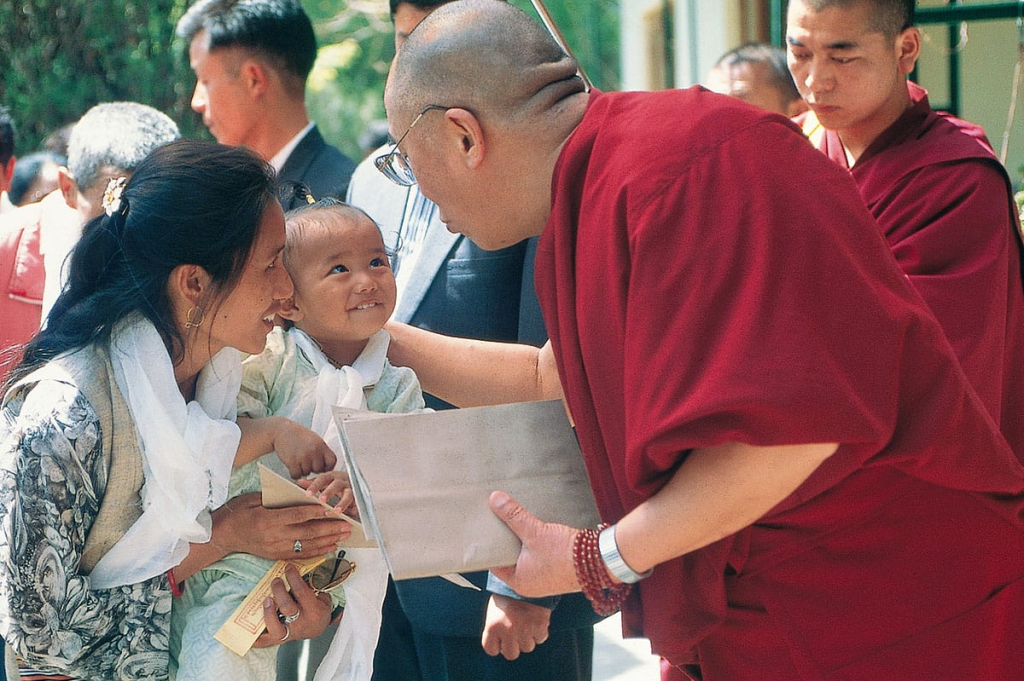
Buddha also suggests that there is another kind of power, a greater power: the power to be happy in the present moment, free from addiction, fear, despair, discrimination, anger, and ignorance. Himmelstoss, on the other hand, derives his power from his position of authority over others. He uses his power to impose his will on others, without regard for their well-being. Himmelstoss ridiculous the men and subjects them to low-status, rather than seeking to understand and help them. In contrast, Buddha’s teachings suggest that true power comes from within, and is not dependent on external circumstances.
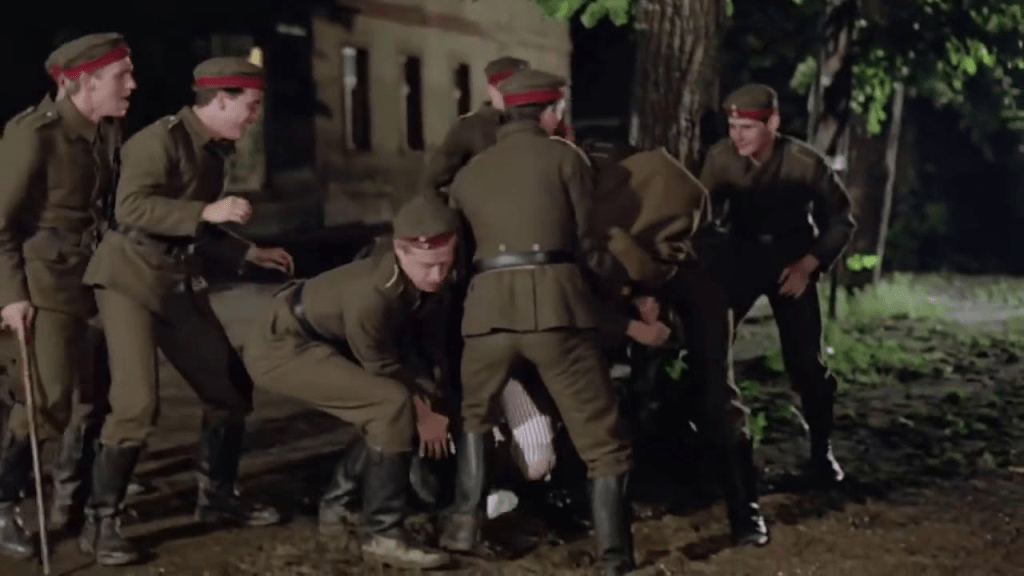
The soldiers’ reaction to Himmelstoss’ behavior also shows that they reject his abuse of power. They take revenge on him by throwing a bed-cover over his head, beating him, smothering him with a pillow, and whipping him. Paul remarks, “Himmelstoss ought to have been pleased; his saying that we should each educate one another had borne fruit for himself. We had become successful students of this method” (Chapter 3). The soldiers’ actions demonstrate that they reject Himmelstoss’ authority and seek to undermine it. They do not respect him, so when he attempts to regain their favor after fighting on the front lines, the men find him peculiar. However, while Himmelstoss’ cruel behavior may justify the men’s vile retaliation, their actions, which are said to have been learned by Himmelstoss, do not reflect any sense of ethics or morals.
Furthermore, Himmelstoss’ pride in his strict disciplinarian actions suggests that he is attached to his own sense of power and control. Buddha’s teachings emphasize the importance of non-attachment, which means letting go of our attachment to things that cause us suffering, such as power and control. By letting go of attachment, we can cultivate inner peace and happiness, which can then be shared with others. This is similar to when Himmelstoss returns from fighting on the front line. After facing the horrors of war, a life or death situation, Himmelstoss realizes his limits of authority and detaches from his authoritative facade.
Finally, Thich Nhat Hanh, a devout follower of Buddhism explained that the idea of power as the ability to be happy in the present moment, free from addiction, fear, and ignorance, offers an alternative view of power that is not dependent on external circumstances. Himmelstoss’ behavior is rooted in his attachment to external sources of power, such as his position in the army and his ability to control others. However, true power comes from within, and is not dependent on these external factors. The soldiers, by standing up to Himmelstoss and asserting their own power, demonstrate that true power comes from cultivating inner strength and resilience.
In conclusion, the evaluation and analysis of Himmelstoss’ ethics and morality in All Quiet on the Western Front using the philosophy of Buddha demonstrates that his behavior is not in line with Buddhist teachings. His strict disciplinarian actions, attachment to power and control, and lack of compassion and understanding towards his fellow soldiers are all contrary to the principles of Buddhism. The soldiers, by rejecting his behavior and seeking to undermine his authority, demonstrate that true power comes from within, and is not dependent on external circumstances. By cultivating inner peace, happiness, and compassion towards others, a more harmonious and peaceful world can be created.
 Write Our World