WWI Confucianism in Black, White, and Gray
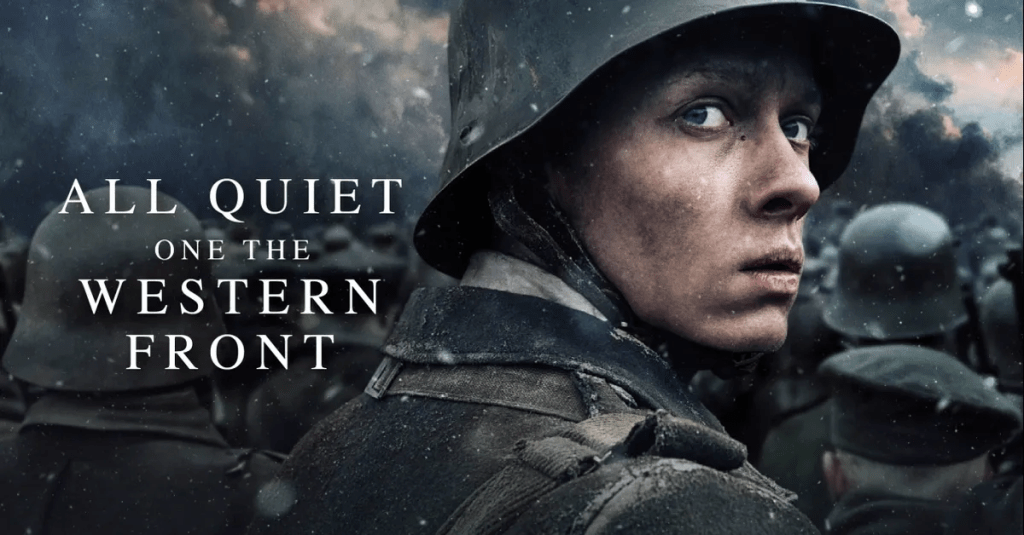

In the book All Quiet on the Western Front by Enrich Maria Remarque, the protagonist, Paul Baumer, is a German soldier fighting on the Western Front during World War I. Throughout the book, Paul experiences various situations and moral dilemmas, and his actions and thoughts can be analyzed through the philosophy of Confucius. In particular, Confucianism emphasizes respect for authority, the importance of personal relationships, kindness and sympathy towards others, caringness, and rational decision-making, which can be compared to Paul’s emotions and decisions.

One of the central themes of the book is the importance of comradeship and the relationship between soldiers. Paul and his comrades share a strong bond, and they refer to it as “esprit de corps” (Remarque 26). Confucianism emphasizes the importance of personal relationships, and in the Analects, Confucius says, “If your plan is for one year, plant rice. If your plan is for ten years, plant trees. If your plan is for 100 years, educate humanity” (Analects, 9.20). This quote emphasizes the importance of long-term planning and building relationships that will last for many years. Paul and his comrades share an unbreakable bond and fighting alongside each other gives them the strength to overcome any adversity. On the battlefield, Paul feels alone and frightened until “…a new warmth flows through me… they are the strongest, most comforting thing there is anywhere: they are the voices of my comrades… I am no longer a shuddering speck of existence, alone in the darkness… we all share the same fear and the same life…” (Remarque 212). Paul continues to show his love of comradeship when he returns to the front lines after rehabilitation, stating, “It is a great brotherhood, which adds something of the good-fellowship of the folk-song, of the feeling of solidarity of convicts, and of the desperate loyalty to one another of men condemned to death” (272). In the midst of war, traumatic experiences, violence, and death, Paul’s regiment develops a sense of brotherhood and loyalty that is similar to the Confucian concept of friendship.
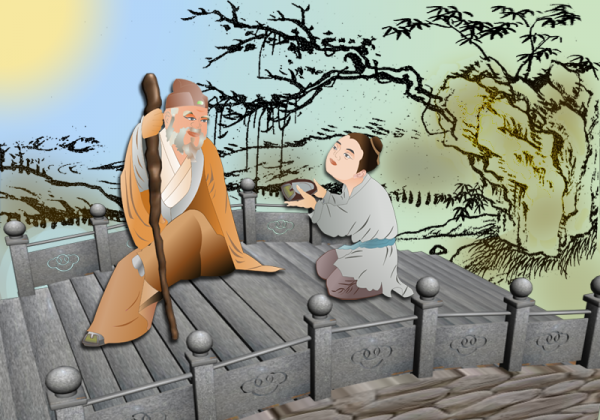
Paul’s relationships with his superiors, however, are more complicated. He despises Himmelstoss, his strict and mean superior, and he and his friends refuse to obey his orders. Confucianism emphasizes respect for authority, personally stating that “one’s personal loyalties to family, friends, co-workers and superiors are more important than the rules of some abstract ethical theory” (Daily Philosophy). By collectively beating and stripping Himmelstoss in the street, Paul and his friends violated Confucius’ ideology of obedience towards one’s superiors. In the moment, Paul narrates, “It was a wonderful picture: Himmelstoss on the ground” Remarque 49). Confucius furthers his support of respect through an ideology similar to the Golden Rule, believing, “Do not do unto others what you would not want others to do unto you” (National Geographic). Despite Himmelstoss’ mistreatment of Paul and his friends, Confucius would not support Paul’s attempt to impose the same mistreatment on Himmelstoss. However, he also recognizes that authority figures have a responsibility to act justly and benevolently. In the Analects, Confucius says, “Without an understanding of the rites, it is impossible to make a stand” (Analects, 3.3). This quote means that without a proper understanding of the rituals and practices that govern relationships between people, it is impossible to act with wisdom and integrity. Himmelstoss does not act justly or benevolently, often finding tricky ways to get Paul in trouble and ordering him around for no reason. Due to his cruelty, Himmelstoss does not deserve to be respected by Paul and his comrades.

Paul’s relationships with the enemy soldiers are also complicated. On the one hand, he and his comrades are fighting against them, but on the other hand, he recognizes that the enemy soldiers are “poor devils like us… Forgive me comrade; how could you be my enemy?” (Remarque 223). After killing an enemy soldier out of instinct, Paul feels extremely guilty and asks the man for forgiveness, showing that Paul is still sympathetic to the enemy. He even promises to write to the enemy’s family, inform them of his death, and offer financial aid. Confucianism emphasizes the importance of benevolence, even toward one’s enemies. In the Analects, Confucius says, “Recompense injury with justice, and recompense kindness with kindness” (Analects, 14.36). This quote means that if someone does you harm, you should respond with justice, but if someone does you a kindness, you should respond with kindness. Moreover, Paul’s sympathy for the Russian prisoners further demonstrates his adherence to this Confucian principle. Upon giving cigarettes to the Russian prisoners, Paul noticed the Russian prisoners “bow to me and then light the cigarettes. Now red points glow in every face. They comfort me; it looks as though there were little windows in dark village cottages saying that behind them are rooms full of peace” (Remarque 194). Even though the Russian soldiers had killed some of his comrades, Paul understands that each side is fighting for their country. Confucius would have admired Paul for his benevolent actions towards enemy troops.
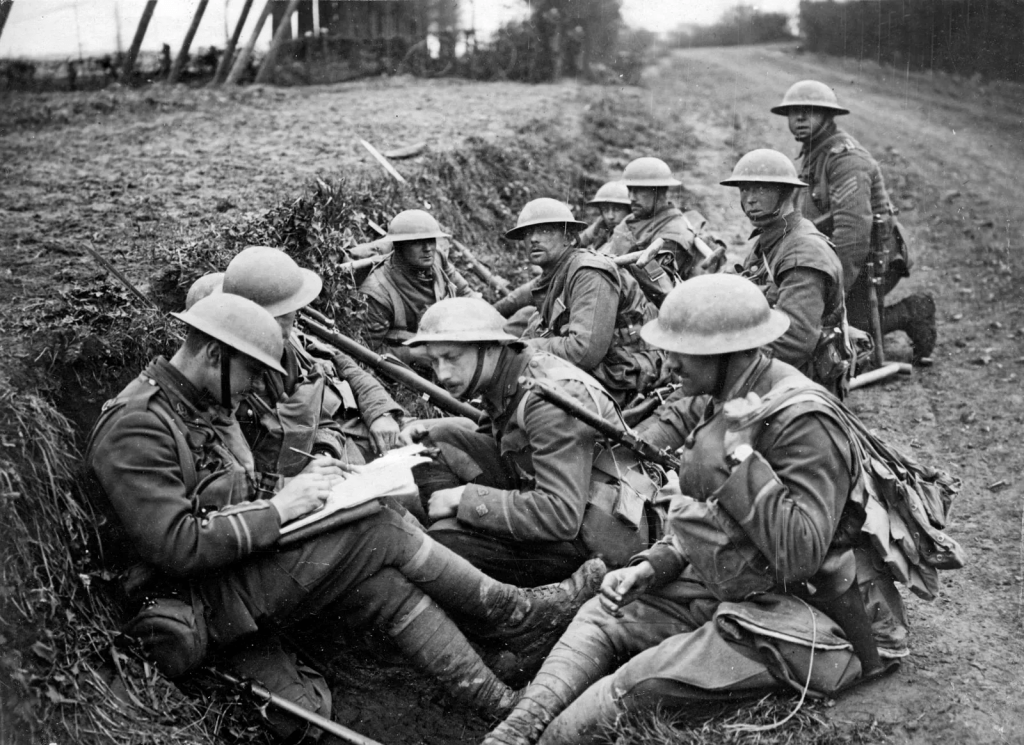
Another important theme in the book is the dehumanization of war. Paul and his comrades are forced to endure terrible conditions, and they witness and participate in horrific acts of violence. This dehumanization is exemplified by the scene in which Paul and his comrades attack a swarm of rats in the trenches, expressing a desire for violence and destruction as a reaction to the suffocating trenches and fear of enemy attack. As the rats approached them, Paul realized that “…when Death is hunting us down-now, for the first time in three days we can oppose him; we feel a mad anger. No longer do we lie helpless, waiting on the scaffold, we can destroy and kill, to save ourselves… and to be revenged” (Remarque 113). Confucianism emphasizes the importance of suppressing one’s anger and thinking rationally when making decisions. Confucius once remarked, “When anger rises, think of the consequences” (Brainy Quote, Confucius). In spite of temporary anger and frustration, one should consider the impact of making rash decisions. Although the traumatic experiences and situations Paul faced on the front lines provides partial justification for his rage, Confucius would not have supported the use of violence out of anger.
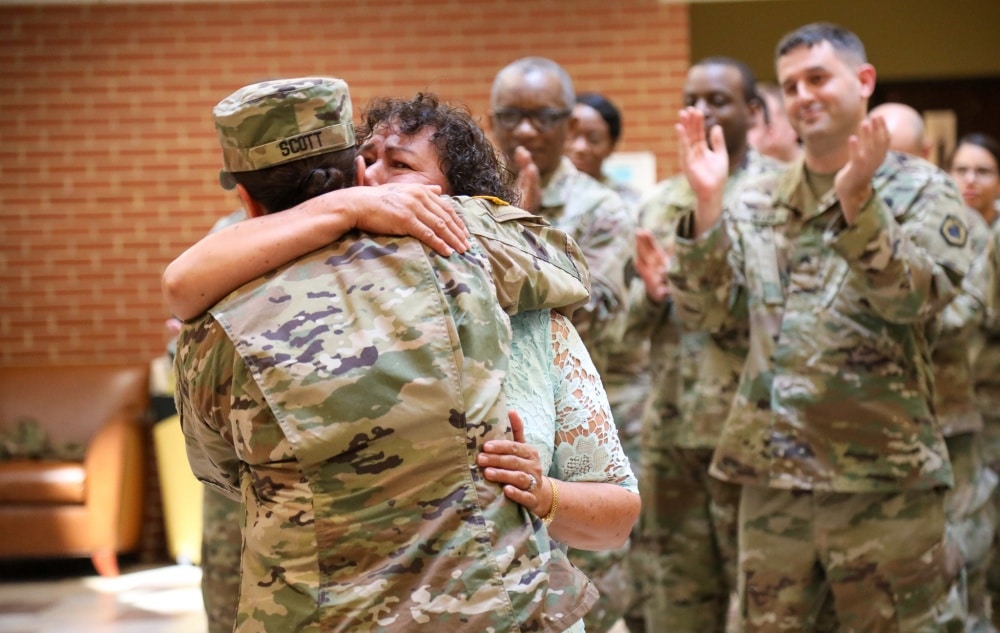
However, there are many other instances throughout the novel in which Paul’s actions align with Confucianism. For example, Paul shows respect for his mother by lying to her about the state of the war and his regiment in order to spare her worry and anxiety. To put her at ease, he tells her that “[t]here are always a lot of us together so it isn’t so bad… You see for instance, I’m well and fit…” (Remarque 161). This exhibits Paul’s care towards his mother and willingness to twist the truth to prevent her from worrying. Filial piety, a key value in Confucianism, emphasizes respect and care for one’s parents and ancestors. Therefore, Confucius would approve of Paul’s awareness of his mother’s well-being. Paul continues to uphold his care for others when he visits Kemmerich’s mother to inform her of his death (Kemmerich was one of his comrades). Upon being asked if Kemmerich suffered in his last moments, Paul responded that Kemmerich “died immediately. He felt absolutely nothing at all. His face was quite calm” (Remarque 180-181). Despite knowing the truth that Kemmerich was in pain, Paul swears on his life that he isn’t lying to allow Kemmerich’s mother to rest assured. Paul’s willingness to confront Kemmerich’s mother after his friend’s death and relieve her grief shows that Paul is undoubtedly caring and follows the ideology of Confucianism. All in all, Paul Baumer’s actions in Remarque’s All Quiet on the Western Front both exhibit and contradict the philosophy of Confucius. The above analysis and comparison should however be taken with a grain of salt, for Paul’s situation as a WWI soldier significantly impacted his emotions and actions. If Paul had been a young boy back on the homefront, the extent to which his morals supports Confucist ideology would have been completely different. Paul’s palette of morals on his canvas of warfare extends across the shades of black, white, and gray in between. As once stated by Confucius, “Yin and yang,… light and darkness, thunder and lightning, cold and warmth, good and evil… the interplay of opposite principles constitutes the universe” (AZ Quotes).

 Write Our World