All Quiet on the Western Front by Erich Maria Remarque is a powerful anti-war novel that depicts the experiences of Paul Baumer, a young German soldier who fights in World War I. Paul is faced with numerous moral dilemmas as he struggles to survive in the brutal and dehumanizing conditions of trench warfare. Confucianism, an ancient Chinese ethical and philosophical system, offers a valuable lens through which to evaluate Paul’s ethics and actions in the novel.
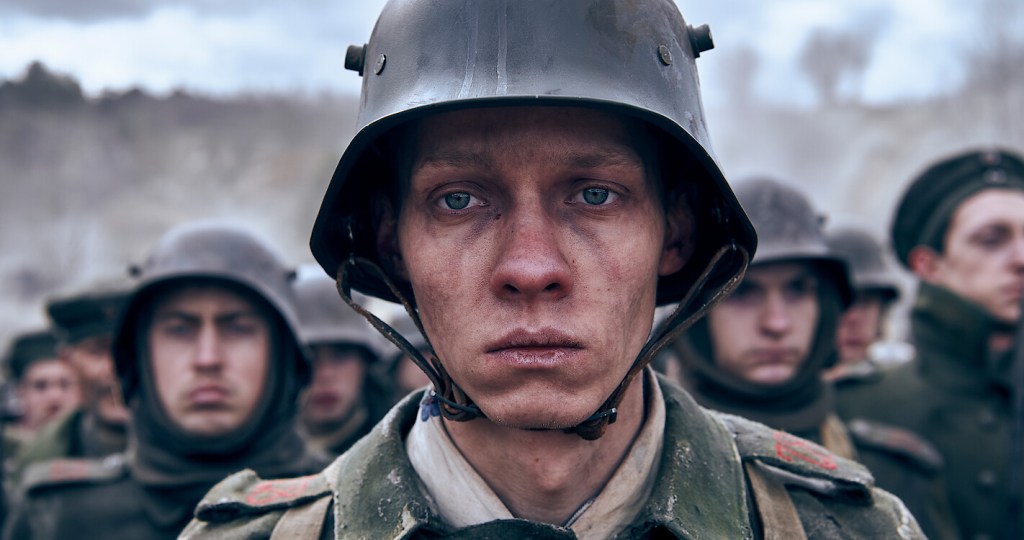
One of the key principles of Confucianism is the concept of Ren, which refers to the moral quality of humaneness or compassion. Confucius famously said, “What you do not wish for yourself, do not do to others.” This principle is clearly relevant to Paul’s experiences in the war, as he witnesses and participates in acts of violence and cruelty that are difficult to reconcile with his own sense of morality. For example, when Paul and his comrades are ordered to kill a group of enemy soldiers who are trying to surrender, he reflects:
“We have become wild beasts. We do not fight, we defend ourselves against annihilation. It is not against men that we fling our bombs, what do we know of men in this moment? Against whom then do we fight? Against war. … For us lads of eighteen, they ought to have been mediators and guides to the world of maturity, the world of work, of duty, of culture, of progress—to the future. We often made fun of them and played jokes on them, but in our hearts we trusted them. The idea of authority, which they represented, was associated in our minds with a greater insight and a more humane wisdom. But the first death we saw shattered this belief.”
In this passage, Paul recognizes the inhumanity of war and the senseless violence that it engenders. He also reflects on the moral authority of his superiors, which he had previously respected and trusted, but which has now been shattered by the realities of the war. This reflects a key theme in Confucian thought, which emphasizes the importance of moral leadership and the responsibility of those in positions of authority to act with compassion and wisdom.
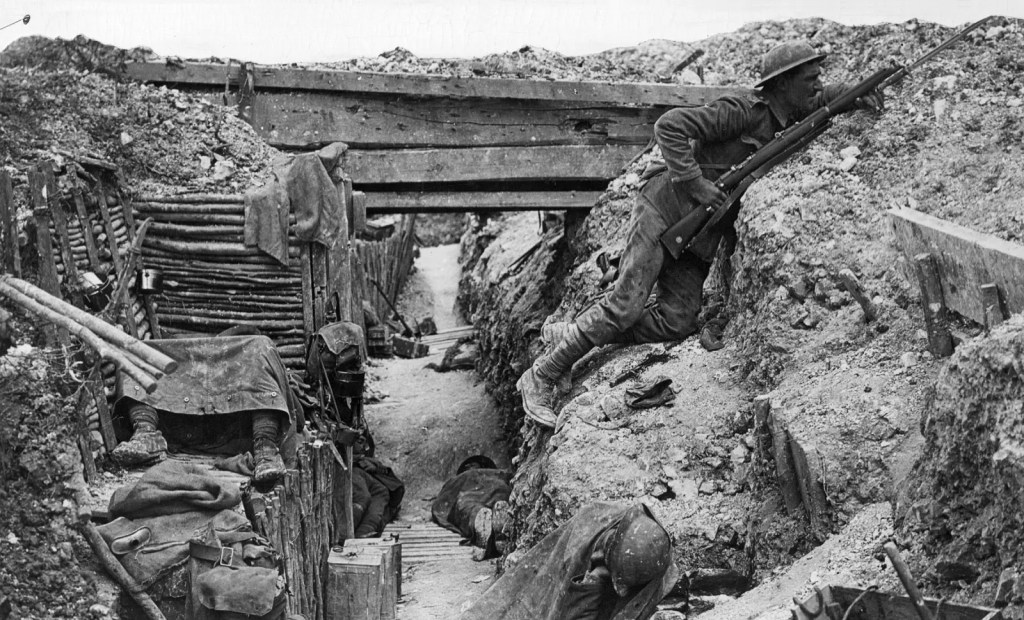
Another important principle of Confucianism is the concept of Li, which refers to the proper way of conduct or behavior. Confucius believed that individuals should adhere to a set of ethical guidelines that would promote social harmony and moral virtue. For example, the Book of Rites, a foundational Confucian text, emphasizes the importance of respect for elders and ancestors, as well as the importance of ritual and ceremony in promoting social order.
In All Quiet on the Western Front, Paul struggles to adhere to these principles in the context of the war. He is forced to act in ways that are contrary to his own sense of morality, and he often feels a sense of guilt and shame as a result. For example, when Paul kills an enemy soldier in hand-to-hand combat, he reflects:
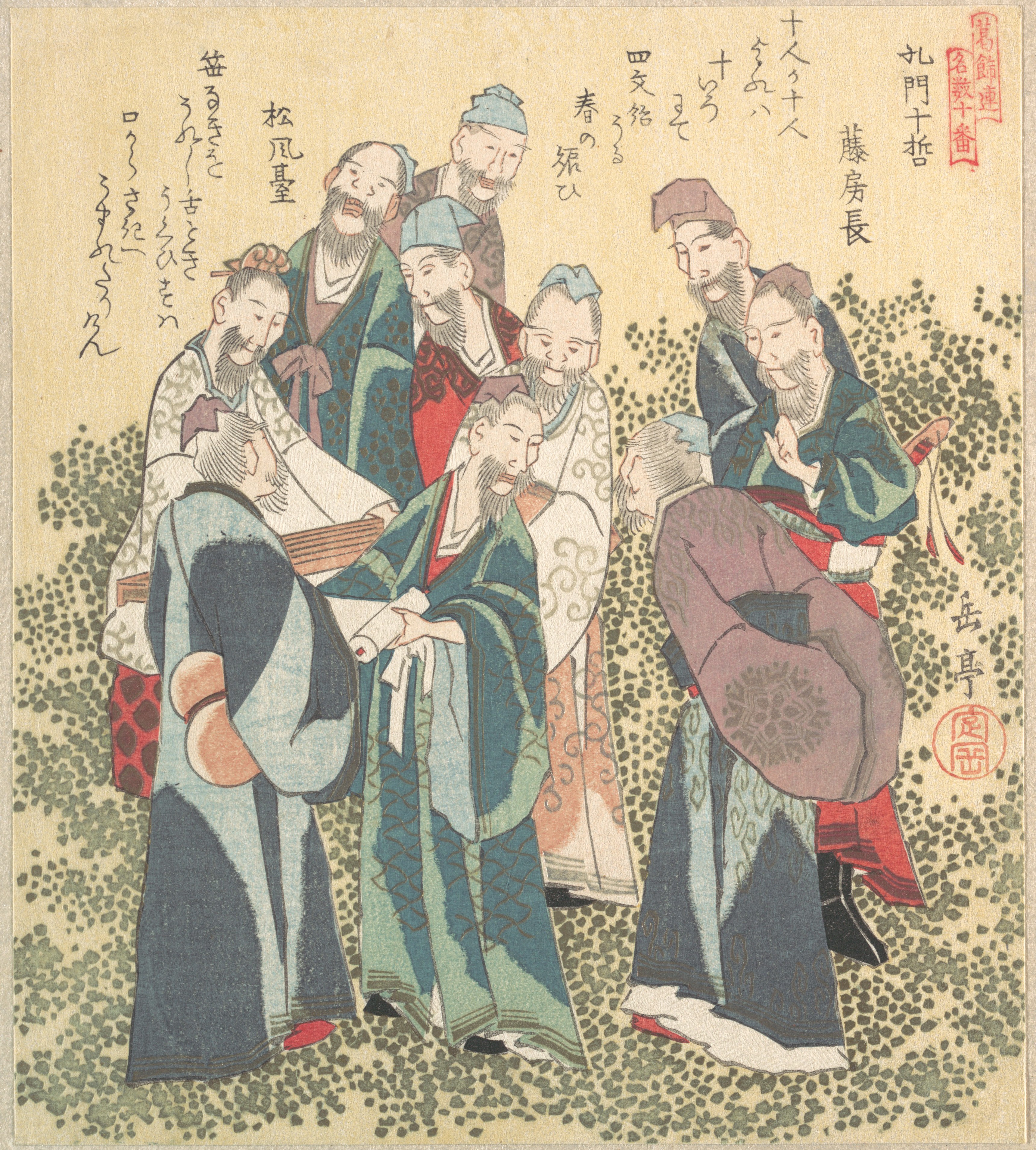
“I am young, I am twenty years old; yet I know nothing of life but despair, death, fear, and fatuous superficiality cast over an abyss of sorrow. I see how peoples are set against one another, and in silence, unknowingly, foolishly, obediently, innocently slay one another.”
This passage reflects Paul’s sense of despair and disillusionment, as he struggles to reconcile his own actions with his beliefs about the value of human life. It also highlights the sense of moral confusion that pervades the novel, as the soldiers are forced to act in ways that are contrary to their own sense of morality.
Overall, the philosophy of Confucianism offers a valuable framework for evaluating the ethics of Paul and the other soldiers in All Quiet on the Western Front. The principle of Li is also essential in Confucian philosophy. Li refers to the proper conduct and etiquette that govern social relationships, including hierarchical relationships between individuals. Li emphasizes respect for authority, politeness, and the proper behavior in various situations. Confucius believed that by following Li, individuals could develop the qualities of a morally upright person, including self-control, responsibility, and respect for others.
In the novel All Quiet on the Western Front, Paul, a soldier, faces ethical dilemmas that require him to make difficult decisions that could impact his comrades, the enemy, and himself. Paul’s experience in the war often challenges the principles of Ren and Li. For instance, Paul and his comrades are forced to kill enemies and witness the deaths of their comrades, which contradicts the principle of Ren that emphasizes compassion and respect for life.
Paul’s experiences in the war also challenge the principle of Li. As a soldier, Paul is expected to obey his superiors and follow the proper conduct and etiquette expected of him. However, the war’s chaotic and brutal nature makes it difficult for Paul to adhere to the principles of Li. For instance, when Paul and his comrades are in battle, they have to make quick decisions that could mean the difference between life and death, even if those decisions do not align with the principles of Li.
Despite the challenges he faces in the war, Paul still embodies some of the principles of Ren and Li. For instance, Paul demonstrates compassion towards his comrades and the enemy soldiers. He recognizes that the enemy soldiers are also human beings who have families, dreams, and hopes. This realization is evident when he says, “We see men living with their skulls blown open; we see soldiers run with their two feet cut off […] All this we see, and we say, what, are these men? They are men!” (Remarque, 118). This quote shows that Paul recognizes the humanity in the enemy soldiers, and he feels compassion for them, even though they are his enemies.
In addition, Paul also demonstrates the importance of Li by showing respect for authority and adhering to the proper conduct and etiquette expected of him as a soldier. For instance, when he is on leave, he observes the proper etiquette expected of him when interacting with civilians. This is evident when he says, “We stand up when they come in and remain standing until they have gone out. We do not cross our legs. We uncross them quickly if at any time their high person should desire to rise” (Remarque, 125). This quote shows that Paul understands and respects the social hierarchy and etiquette expected of him, even when he is away from the battlefield.
In conclusion, Confucian philosophy offers a valuable framework for evaluating the ethics of Paul, a soldier in the novel All Quiet on the Western Front. Although Paul faces ethical dilemmas that challenge the principles of Ren and Li, he still embodies some of these principles. Paul demonstrates compassion towards his comrades and the enemy soldiers, and he shows respect for authority and adheres to the proper conduct and etiquette expected of him as a soldier. The novel shows how war can challenge an individual’s morality, but it also shows that even in the most chaotic and brutal situations, individuals can still uphold the principles of Ren and Li.
 Write Our World