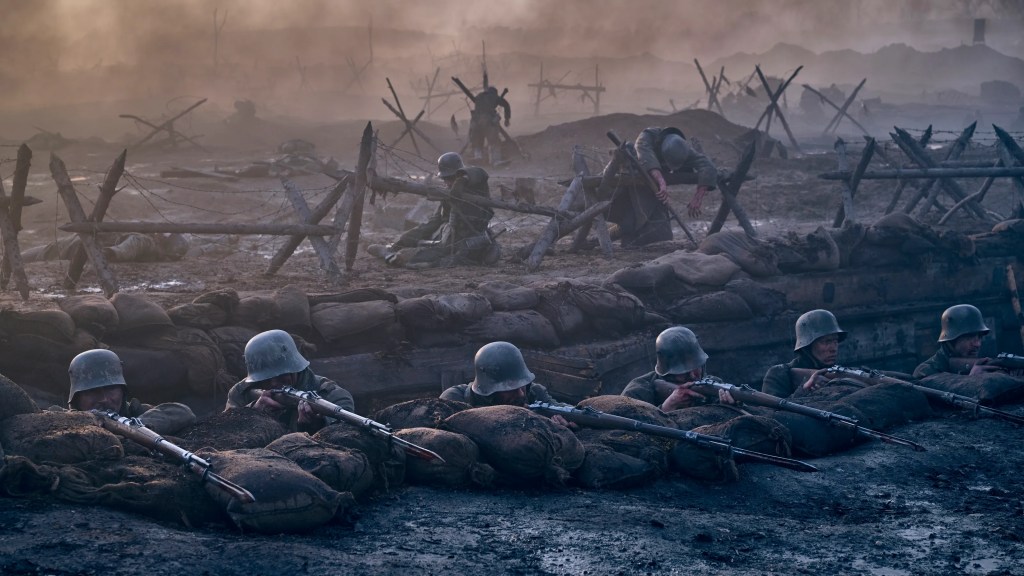
Erich Maria Remarque’s novel, All Quiet on the Western Front, offers a stark portrayal of the horrors of World War I through the eyes of the protagonist, Paul Baumer. As a young soldier caught in the chaos of the war, Paul’s experiences force him to confront the morality of killing others. By examining Paul’s philosophical musings throughout the novel, we can delve into the profound implications of warfare on morality and the struggles of mankind.
The Relativity of Life and the Melancholy of Existence: Paul Baumer’s contemplation on the brevity of life reveals the fragility of existence and underscores the moral complexity of killing others. In one instance, Paul remarks, “Life is short”. This poignant statement shows the impermanence of human life, making the act of taking another’s life all the more significant. The realization that existence can be abruptly cut short by war, is another sense of empathy and moral conflict within Paul as he engages in combat.
The Pitilessness of Men and the Horrors of War: Paul’s observations about the pitilessness of men reflect the dehumanizing effects of war and the erosion of moral boundaries. He laments, “the awful melancholy of life & pitilessness of men”. The juxtaposition of these terms highlights the paradoxical nature of human behavior during wartime. The ruthless environment compels soldiers to suppress their innate compassion, blurring the lines between right and wrong.
The Front and its Consequences: Paul’s reflections on the quietude of the frontlines shed light on the psychological toll of killing. He states, “It is quiet, the front is still”. The tranquility Paul describes is deceiving, as it masks the inner uneasiness and moral conflicts that soldiers experience. The excessive amount of trauma and the absence of external noise serves as a stark contrast to the chaotic internal struggle that soldiers face when confronted with the act of taking a life.
The Confusion and Hopelessness of War: As Paul confronts the horrors of war, his perspective becomes clouded, and he questions the morality of his actions. He exclaims, “All at once, everything seems to me confused and hopeless”. This emotion captures the profound moral vagueness that pervades Paul’s mindset. The chaos and destruction of war make it increasingly challenging for soldiers like Paul to distinguish right from wrong, further blurring the lines between justified violence and senseless killing.
Nostalgia for Home and the Loss of Innocence: Paul’s longing for home and the innocence he left behind reflects the corrosive impact of war on morality. He yearns, “I wish we were back home”. This quote encapsulates the sense of displacement and moral dissonance experienced by soldiers during wartime. The juxtaposition of the horrors of war and the innocence of home serves as a stark reminder of the moral compromises soldiers are forced to make on the battlefield.
In All Quiet on the Western Front, Paul Baumer’s perspective offers valuable insights into the morality of killing others during World War I. Through his philosophical musings, we witness the profound moral conflicts that plague soldiers in wartime. Paul’s realization of the brevity of life, the pitilessness of men, the weight of silence on the front, the confusion and hopelessness of war, and the longing for home all contribute to a comprehensive evaluation of the moral complexities surrounding killing in combat exemplify the ethical dilemmas faced by soldiers during World War I.
 Write Our World