My mother always taught me the good old saying, “Don’t judge a book by its cover”. I’m sure everybody’s mother has at least once in their lifetime. As a kid, I only understood this saying at a surface level. It only meant one thing to me: don’t judge people negatively before you get to know who they really are. However, as I grew older, as I went through more experienced, and inevitably became more perspicacious of life, I understood that the saying “Don’t judge a book by its cover” is way deeper than how I’d understood it when I was little.
The world is familiar with the attack on Pearl Harbor, as it sent shock waves and was a major event in World War II. Reactions of both sides resulting from this attack were bitter but understandable. On one side, there was the USA working to separate Japanese Americans from society, deeming them “aliens” and reprimanding them for the Japanese attack. On the other side lay the Japanese Americans, people who had fled Japan in order to have a better future in the free country of America. All of a sudden, they had to take the blame and consequences for the mistakes that the country they fled imposed on them. They were punished because of their origin, no questions asked.
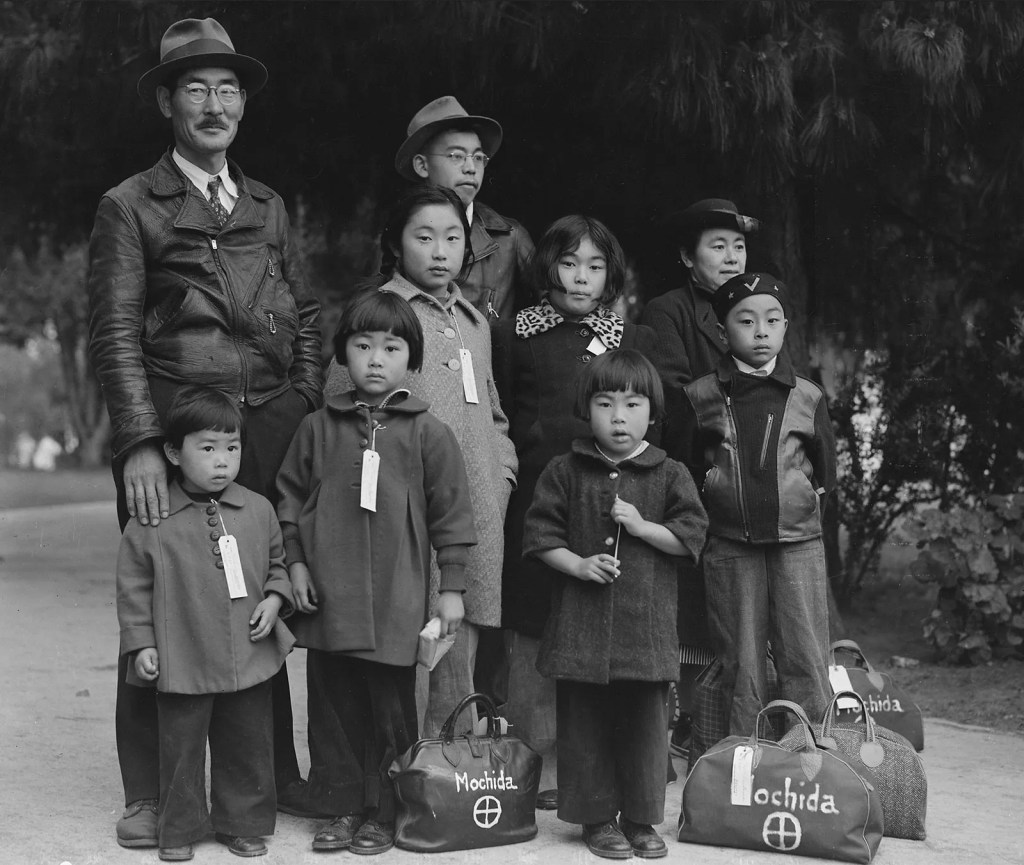
When I first learned about Pearl Harbor, as any kid would assume, the Japanese-Americans were the bad guys in the situation. After discussion on the topic, it was deemed necessary by the United States government that they needed to ensure national security. They achieved this through internment camps, where over 120,000 Japanese-Americans were isolated and relocated along the west coast through Roosevelt’s signing of Executive Order 9066. The government had to do what they needed to do. They were in a tough position and had to protect the country from potential spies and sabotage.
Don’t judge a book by its cover. There are always two sides to a story.
Though through the lens of the U.S. government, the Japanese-Americans were seen as the bad guys, Executive Order 9066 was a massive violation of their civil rights and an unjust targeting of their community. Families were stripped apart, homes were taken away, businesses were lost, and lives were disrupted. These Americans faced punishments for the actions of their country of ancestry, not for their individual actions. They were betrayed by the country that they thought they could call home.
Don’t judge a book by its cover. There are ALWAYS two sides to a story.
I feel that this lesson is widely preached but rarely applied. People are so insanely quick to jump to conclusions without any details and with pure emotion. It leads to ignorance, and in this case, extremely unjust punishment to thousands of innocent people. This is what history is about. It’s about learning from mistakes in the past in hopes of not ever repeating these horrible mistakes again. My mother was right, there are always to sides to a story, and you should never judge a book by its cover, even if the cover is the ugliest, or prettiest thing you’ve ever seen.
 Write Our World