Erich Maria Remarque’s novel, “All Quiet on the Western Front,” vividly depicts the brutal and dehumanizing experiences of soldiers during World War I. To assess the morality of how individuals treated one another in this context, we can turn to the philosophy of Jesus Christ as presented in the Gospels. By examining the character of Katczinsky and his actions, we can evaluate his ethics and morality through the teachings of Christ, particularly focusing on principles like love, compassion, and selflessness.
Jesus taught his followers to love others unconditionally, even their enemies. In Luke 6:32-36, he emphasized the importance of loving those who do not reciprocate, Unconditionally, doing good to those who despise us, and lending without expecting anything in return. Katczinsky’s actions often exemplify this teaching. Throughout the novel, Kat acts as a nurturing figure to the young soldiers, showing love and compassion towards them. For instance, he selflessly offers a fellow soldier his own meal to alleviate hunger (Chapter 3, page 41). This act of generosity and concern for others’ well-being aligns with Jesus’ teaching to treat others as we wish to be treated (Luke 6:31). Katczinsky’s composed demeanor during the war and his ability to comfort and support his comrades, such as reassuring and comforting Paul during a bombardment (Chapter 5, page 63), reflect the compassion and care Jesus displayed towards those in distress.

Jesus instructed his disciples to be selfless, prioritizing others’ needs over their own and giving without expecting anything in return. In Luke 6:27-30, he urged his followers to love their enemies, bless those who curse them, and give to those who ask, without seeking repayment. Katczinsky demonstrates selflessness and sacrifice by consistently providing for his company during the war. His resourcefulness and ingenuity enable him to secure food and clothing for his comrades, showcasing his commitment to their well-being, and leadership towards them. In Chapter 4, page 65, Kat expresses his urge to return home to his family, revealing his love for them and his disdain for war. This sentiment reflects Jesus’ teachings, which emphasize valuing family bonds and cherishing life over conflict. Katczinsky’s willingness to share his provisions with others, even strangers, approves the selfless love Jesus advocated. He shows kindness towards the young soldiers by ensuring they have enough to eat and sharing what he finds in abandoned villages (Chapter 3, pages 40-41).
Jesus demonstrated a special concern for children and vulnerable individuals. In the Gospels of Matthew and Mark, he emphasized the value of children and urged his followers not to hinder them from approaching him (Matthew 19:13-15, Mark 10:13-16). Katczinsky exhibits a similar protective instinct towards the young soldiers, whom he considers his own children. He guides them, teaches them about weapons and war tactics, and ensures their safety. His response to the death of a young soldier reflects his genuine concern for the innocent lives lost (Chapter 5, page 75). Katczinsky’s actions mirror the compassionate care that Jesus showed toward children and the vulnerable.

Finally, By evaluating the morality of how individuals treated one another in “All Quiet on the Western Front” through the teachings of Jesus Christ, we discover that Katczinsky embodies several virtues aligned with Christ’s philosophy. His acts of love, compassion, selflessness, and protection of the vulnerable demonstrate his adherence to these teachings. Despite the harsh realities of war, Katczinsky’s actions and character suggest enduring principles of empathy, sacrifice, and care for others. Through his portrayal, Erich Maria Remarque allows his readers to reflect on the moral implications of war and the effective power of embodying Christ’s teachings even in the most challenging circumstances. Katczinsky’s ability to maintain his humanity amidst the horrors of war serves as a testament to the lasting value of Jesus’ philosophy.
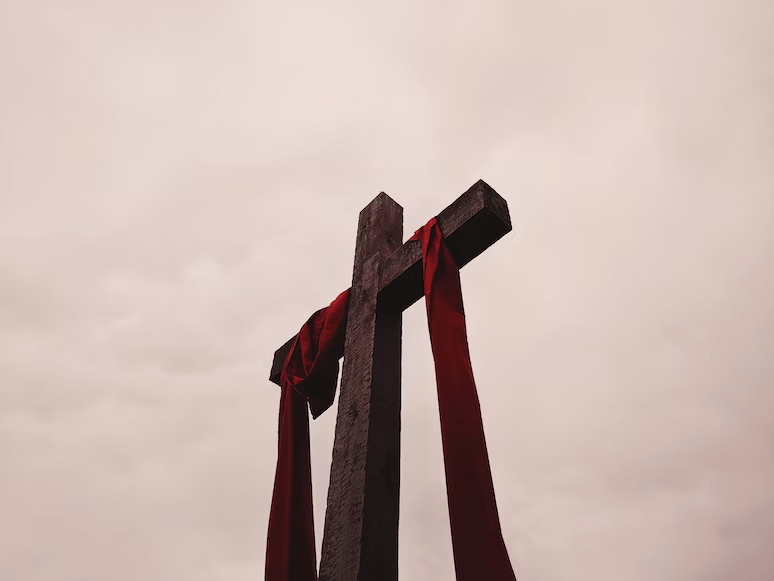
We cannot overlook the significant personal sacrifices Katczinsky makes for the sake of his comrades. His resourcefulness and unwavering determination to ensure the survival and well-being of his fellow soldiers exemplify the selflessness and sacrificial love that Jesus taught. Katczinsky’s actions remind us that even amidst chaos and despair, it is possible to demonstrate kindness, compassion, and solidarity with others. Furthermore, Katczinsky’s composed and calm demeanor in the face of danger reflects the teachings of Jesus regarding peace and non-violence. He refuses to succumb to fear or anger, choosing instead to provide stability and support to his comrades through his calm presence. In doing so, Katczinsky becomes a source of strength and inspiration, much like Jesus provided guidance and solace to his disciples during Difficult times. Through his actions, Katczinsky challenges the dehumanizing nature of war and serves as a beacon of hope, reminding us of the transformative power of morality even in the darkest circumstances. Ultimately, “All Quiet on the Western Front” serves as a poignant reminder of the universal need for compassion, understanding, and peace in our interactions with others, regardless of the difficult times we face.
 Write Our World