As a child, my parents always told me to “step in another person’s shoes.”
“Thủy Tiên [my name], you must learn to understand and listen to another person’s idea,” my parents would tell me and my sisters.
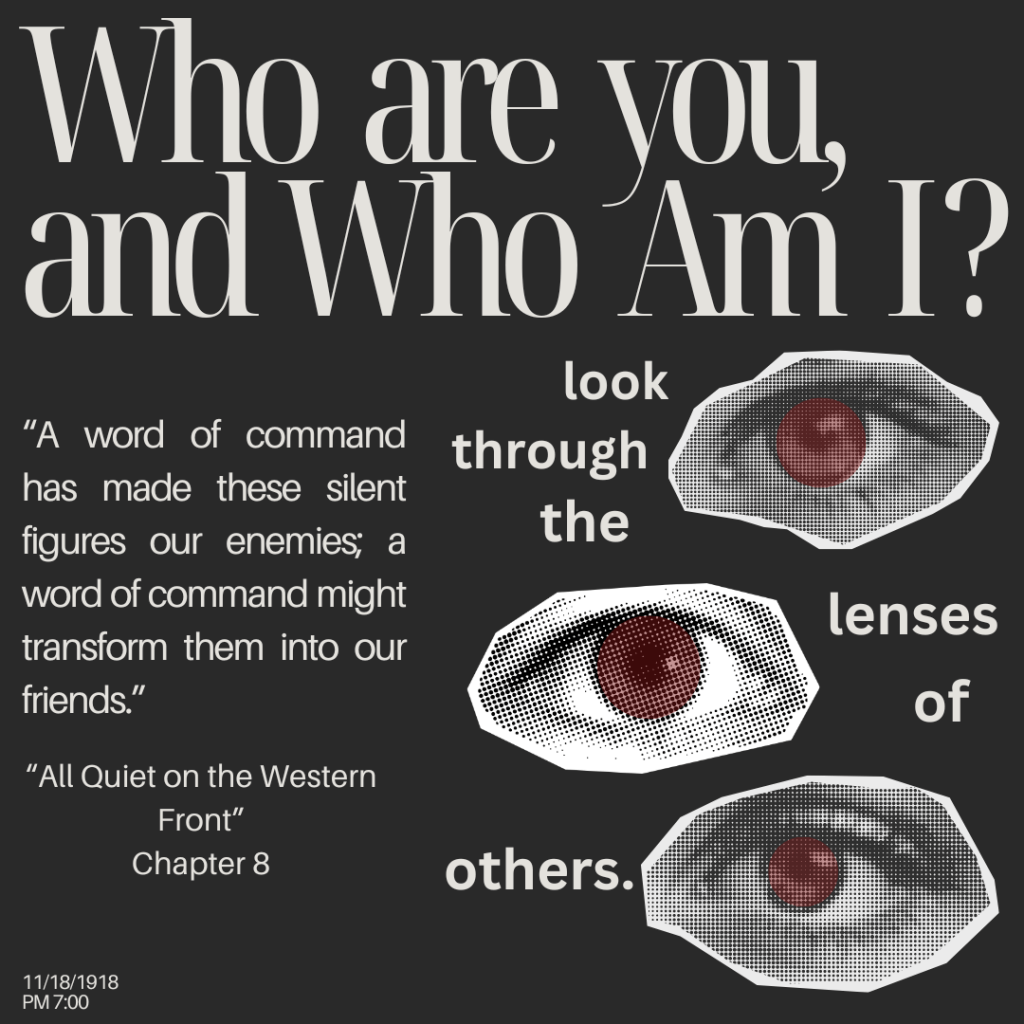
These, along with other fables and teachings from my parents, were statements to teach me and other young individuals to become an open-minded and empathetic person. Although this was a great stepping stone for a young eight-year-old Thủy Tiên, this statement becomes much more complicated as I grow up. As we look through the lenses of another individual, can we truly make our own judgements, or does society dictate this?
To answer this question: It’s complicated, but yes.
To determine this answer, it is up to an individual’s consideration and point of view on a situation. For example, yellow journalism (also known as sensational journalism) and biased journalism is always rotating on our everyday feed. Whether it is biased political newsletters or advertisements for the newest trends, we are the catered consumers of these notifications. News articles and society’s opinion on certain ideas can influence us on our judgements, determining who we should vote for in our government, what new product we should purchase, or which nearby restaurant we should eat at next. However, it is only up to the individual themselves if they can choose to let go of these biases and prejudices and accept the truths.
Propaganda and historical prejudices have also raised irrational condemnations against one another. Society may condemn another individual or group for their practices without the true research. Many are clouded by their own judgements. A notable example, as my class is reading All Quiet on the Western Front is the attitude of the main character, Paul, when he guards several opposing Russian prisoners. He wonders of these prisoner’s previous lives and burdens before the start of World War I. He realizes “how little we understand one another” (Chapter 8), and is sympathetic for the prisoners. Meanwhile, his fellow German soldiers toy around with the Russian prisoners, giving them little food without any sympathy. I noticed this example in the book, showing how the novel portrays the societies of Germany and Russia condemning each other for their political beliefs, but never had the lenses to look at the actual realities of the opposing citizen’s lives and burdens. As Paul references, “A word of command has made these silent figures our enemies; a word of command might transform them into our friends.” (Chapter 8).
As an individual in this society, you do not need to follow these news reports. It frustrates me to see how we as a society ride a bandwagon from one trend to the next, from one idea to another. We cancel one celebrity, condemn the next person, and make irrational judgements because the crowd dictates us so. We are so enveloped in the idea of going with the flow and following the crowd that we lose our own judgements, our own opinion that makes us who we are. We vouch for equality and a world without prejudices, but as a society, we still make our own irrational and hurtful judgements.
We must make our own rational judgments, whether others agree or disagree with us. We must stop letting society choose for us. Take a stance, or rather, take your own stance. You chose your opinions. Society does not.

 Write Our World