I despised Chinese food.
From a steaming bowl of noodles with pickled mustards (榨菜肉絲麵) to century eggs (皮蛋), I hated it all. The familiar aroma that smelled of Asian familial love would soon be overwhelmed by disgust and shame. Similar to most people considered the ethnic minority, I was exposed to racism at a young age.
In elementary school, my mom worked diligently to make lunch for me and my sister, Maegan. Every day, she would wake up an hour or two before we did to make sure our lunch boxes were jam-packed with fresh Chinese dishes. My lunch was my prized possession.
One day, however, things weren’t quite the same. Inside my lunchbox was a thermos containing a classic Chinese remedy, perfect for cold days: porridge. On top of the porridge sat assorted toppings of pork floss, bamboo shoots, and fermented tofu. The combination of toppings was a concoction that would create a lasting impression with its strong aroma.
As I opened my thermos at lunch, I was excited to discover what seemed like a pot of gold. This was not how my classmates felt.
“Ewww, what is that smell?” “It smells like stinky socks!” “It’s coming from Maggie!”
They all laughed while pinching their nose, scrambling away from me and my friends to get away from the smell. I stared down at my food, ashamed. My lunch was the reason they were so quick to leave.
After that day, I resorted to school lunch up until middle school. My mom asked questions about why I stopped eating the food that she made, but I never said anything. I didn’t know it yet, but this was racism, one that may have stemmed from the innocence of elementary school students who didn’t know any better.
This concept of racism is an old one, stemming from strong resentment for the minority.
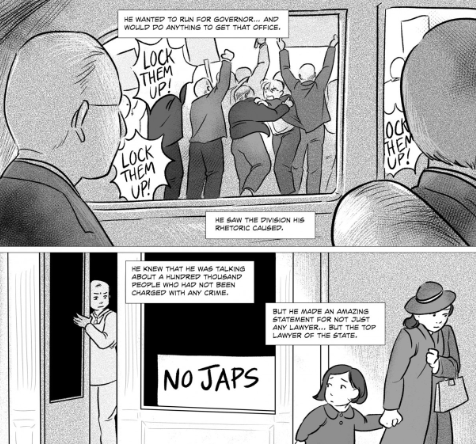
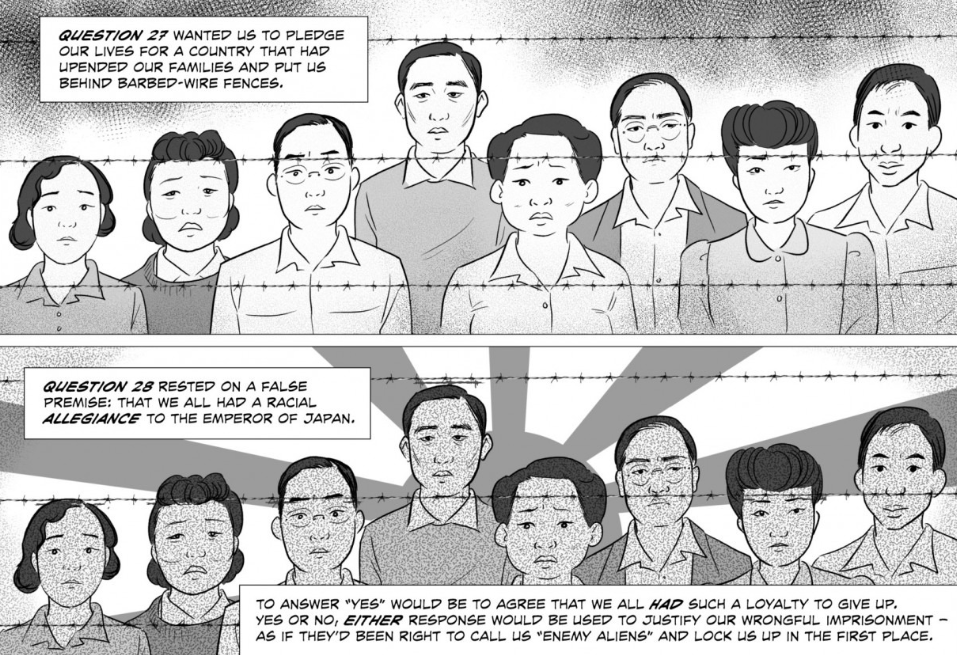
Looking back to less than a century ago, racism in the 20th century was horrific and oftentimes violent caused by hatred and a deep-rooted culture of racism. Especially prominent in this century, racism towards Asian Americans was common and encouraged. Racism has always been a lingering shadow in today’s society, but due to the Bombing of Pearl Harbor, its role grew from a mere shadow to a monster. In They Called Us Enemy written by George Takei, a Japanese-American who lived through World War II and its brutality towards his ethnic group, he expresses the harsh treatment they received from his own neighbors at the announcement of the Bombing of Pearl Harbor. It wasn’t only his neighbors though. The government also took an active role in creating hardships for Japanese Americans. Executive Order 9066 was issued by Franklin Roosevelt to displace hundreds and thousands of Americans with even a drop of Japanese ancestry in their blood at the start of World War II.
Nowadays, racism towards Asian Americans isn’t as strong as it was in the 20th century. TV shows such as Fresh Off the Boat display how Chinese people face racism in the United States today. In an episode, a young boy named Eddie throws away his lunch to fit in with the popular kids at school and stop them from making fun of his Chinese-packed lunches. This feeling of embarrassment at their packed lunches is almost a universal experience among ethnic minority groups.
However, we can never be too wary of the future. If the Japanese internment camp was less than a century ago, what are the chances that something of a similar nature could happen again?
But, regarding what I eat, I can now that I am no longer afraid of eating Chinese food at school and the stigma associated with the smell of it. I am no longer dedicated to fitting in by eating school lunch.
I am no longer ashamed to be Chinese.
 Write Our World