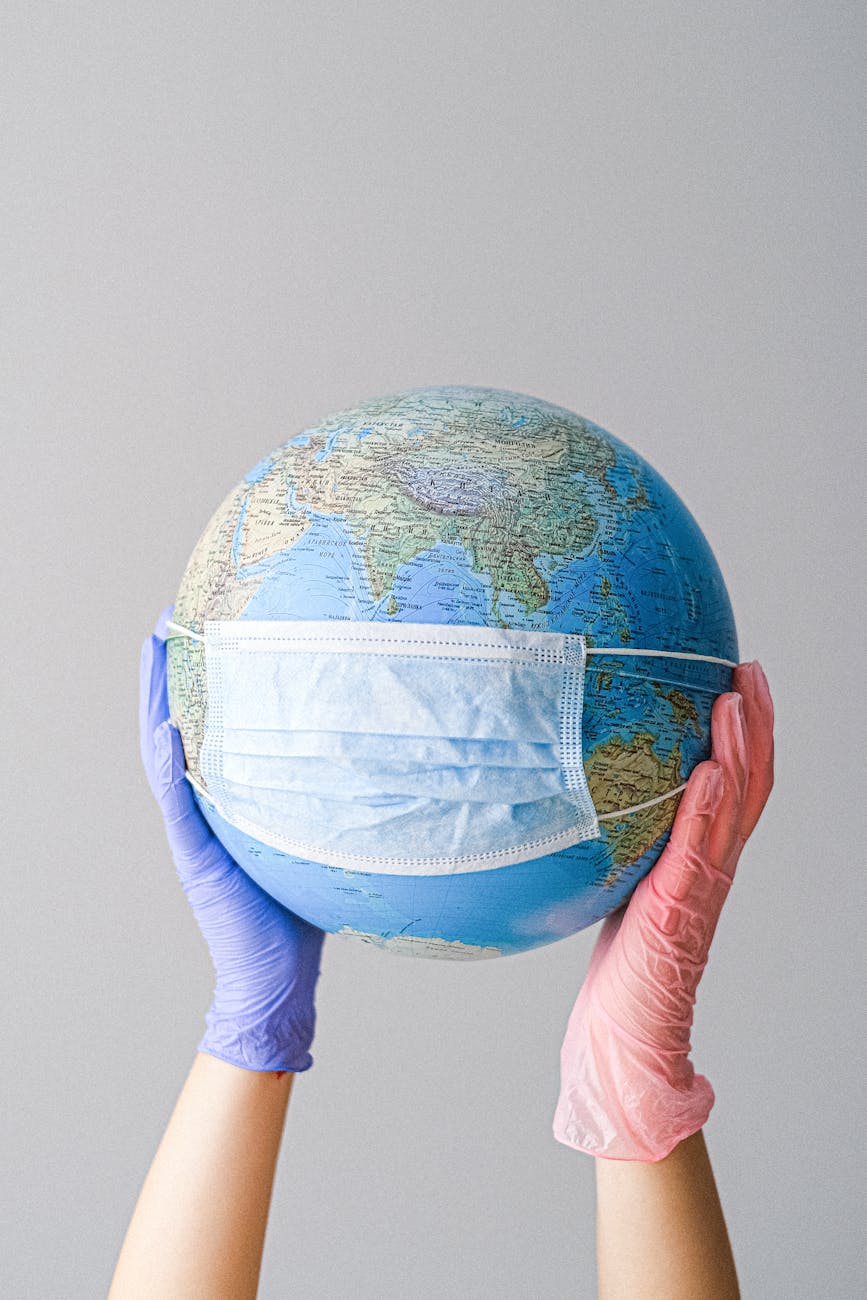
The lockdown of humans was caused due to the break out of COVID-19. COVID-19 is a deadly virus that had the ability to cause grave sickness, or even death, to those who transmitted the disease. However, the rise of COVID-19 also caused another harmful break out: racism. All throughout the pandemic, Asian Americans, Chinese or not, were getting discriminated against due to racial prejudice and fear. Many hate crimes were committed on a daily basis, and America quickly became a land of uncertainty. Why were people turning against each other in an era of panic? Jumping back 60 years, we have experienced familiar behaviors. In 1941, Japan bombed Pearl Harbor in order to destroy American ship vessels. In response, citizen’s morale dramatically decreased. The US government made the decision to send all Japanese Americans to internment camps in order to ensure national security. Although, was imprisoning innocent Japanese Americans really protecting the nation? This lower form of treatment ultimately led to hate crimes from people from other racial profiles as well. History is there in order for humans to reflect. This reflection is meant to heighten the prosperity of the future. People in the past have gone through the motions of life in order for later generations to correct their mistakes. Even so, are we really learning from our history? Japanese Americans have gone through several types of discrimination and this can affect psychology, ideology, and the way the mind processes thoughts in many ways.
Culture can be experienced in several ways. Food, festivals, celebrations. These all bring people together and create a sense of unity. Believe it or not, Japanese Americans felt a greater sense of unity when much of their race were being sent to internment camps. This changed the overall cultural psychology behind the Japanese Americans. As a group, the Japanese Americans have all experienced loss and grief during this period of imprisonment, which allowed them to connect with each other. According to the Japan National Tourism Organization, “Like many other countries across the world, baseball and soccer are wildly popular in Japan.” Baseball is a large part of Japanese culture due to the fact that this sport connects many people with each other. Those watching baseball root for teams, partake in competitions, and enjoy each others’ company. However, baseball grew to be a part of Japanese culture because of acculturation. Acculturation is a psychological idea that a group of people can adopt aspects of another culture. In this case, baseball was adopted in the Japanese internment camps. When children would get bored throughout the day, they would participate in games of baseball, a sport that has emerged within western culture. So, culture is a large part of the psychological changes that Japanese Americans had to go through.

Equality was an idea that was fought for in 1941. The Civil Rights Act was passed, and several workers wanted fair and equal pay. However, a shift in ideology has changed this progressive fervor. Once Japanese Americans were announced as foreign enemies and were alienated, most ideas of equality dissolved, as citizens threw dirt upon Japanese Americans. They were denied citizenship, sent to internment camps, and were denied rights. This caused distress and shocked these American citizens. According to the American Psychological Association, “ . . . psychological stress of helplessness and uncertainty began within 24 hours of the Pearl Harbor attack.” Ideas have the ability to change overtime, but equality was only encouraged if it did not include these “enemy aliens”. When Roosevelt issued the Executive Order of 9066, which was also shown in They Called Us Enemy, Japanese Americans were heavily discriminated against and no longer had their basic civil rights. Overall, Japanese Americans’ everyday lives were heavily changed in a sudden change in ideology.
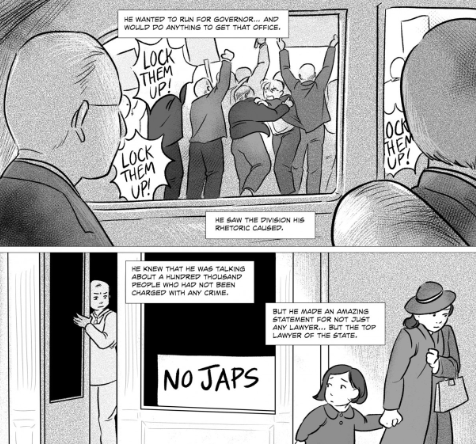
After imprisonment, the Japanese Americans had several changes in thought processes. Japanese people are typically known for their nationalistic behavior and loyalty. They have a very good work ethic and will get anything done if they are asked to. They work until they achieve the very best. However, after being released from the Japanese internment camps, many had to settle for much less than they had before imprisonment. This was because of discrimination and the fact that many had no money upon release. For example, in They Called Us Enemy by George Takei highlighted a family who had been through this discrimination. After being released, they had to settle for a home that was not of proper living standards. Japanese Americans were willing to take on any offer, even if it meant that the deal would be for less than what they deserved. Although their standards and standard of living were dramatically decreased, their work ethic still showed. Overall, Japanese Americans underwent a change in thought processes after the internment camp experiences.
Psychology, ideology, and the processing of thoughts has always been a fundamental way of explaining events that have occurred; especially historical events. In order to lead our nation to progress, we have to learn from mistakes. Discrimination is hurtful, and causes distress to those receiving it. In order to avoid discrimination, we can view our past and understand why certain different circumstances happened. In doing so, with confidence, it can be said that our nation can provide equal opportunities for everyone regardless of race or ethnicity. It is time to grow past differences within culture and heritage. It is time to strive towards a greater world where diversity is seen as positive. All in all, we can analyze the psychological, ideological, and processing of thoughts in order to understand our history and decrease negative ideas.
 Write Our World