As I read They Called Us Enemy, by George Takei, I was shown the injustices faced by Japanese-Americans during the war and the treatment of minority groups in our current political climate.
This treatment of Japanese-Americans during World War II is now widely regarded as a shameful act in American history. But it is worth noting that at the time, the internment of Japanese-Americans was supported by many Americans, including President Franklin D. Roosevelt. In fact, it wasn’t until decades later that the government formally apologized and provided reparations to those who were interned.
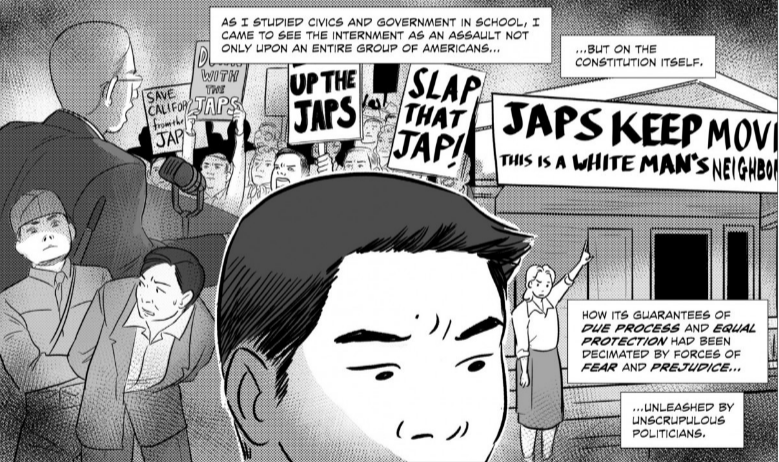
Even today, with the current political climate in the United States, minority groups continue to face discrimination and prejudice. The Asian American hate crimes still happen today, and are still on the rise. It is a reminder that we still have a long way to go in terms of eradicating racism and discrimination from our society. Though, this fire isn’t left to spread. This is currently being combatted, with some organizations like AAPI providing a resource to document and raise awareness towards asian discrimination. Kulkanari, the director of AAPI, is helping to bring a voice towards asian hate, and now some government officials are jumping in to find a solution to tackling hate crimes.
Sources: Takei, George, They Called Us Enemy and Fighting hate: Approaches range from expanding hate crime definitions to gathering data
 Write Our World